Silent Sunday: A Trip to Tabasco (Avery Island, LA)

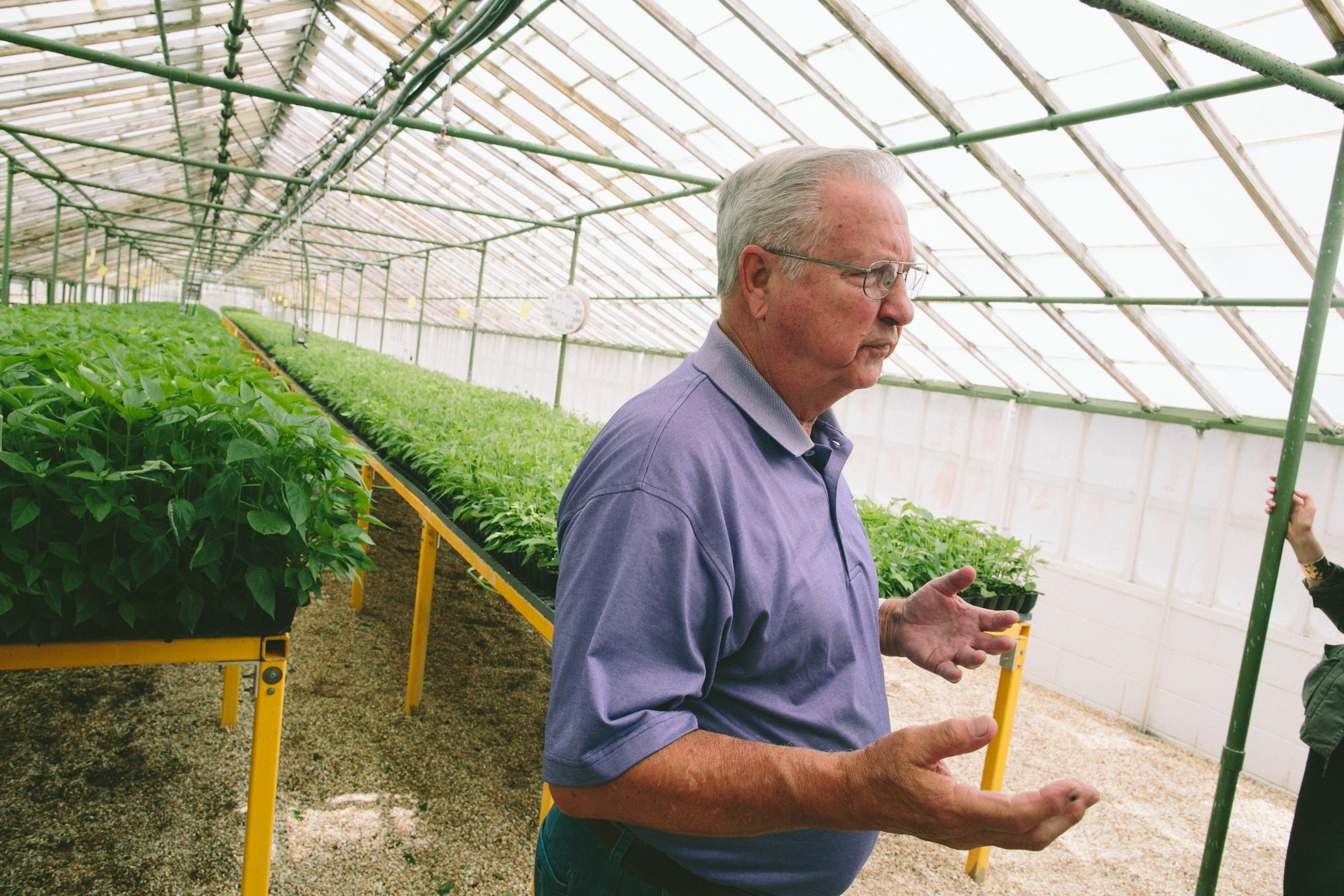
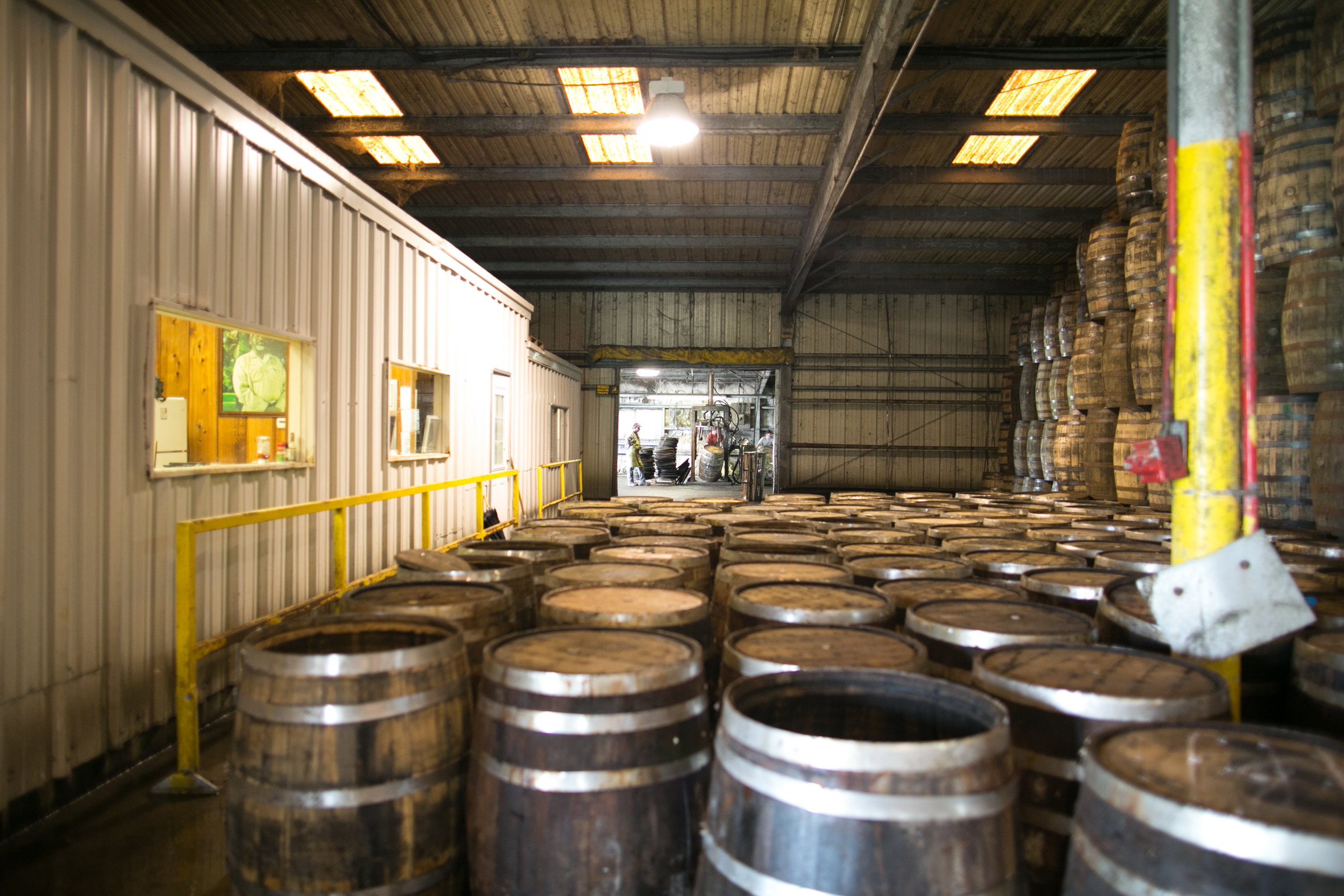
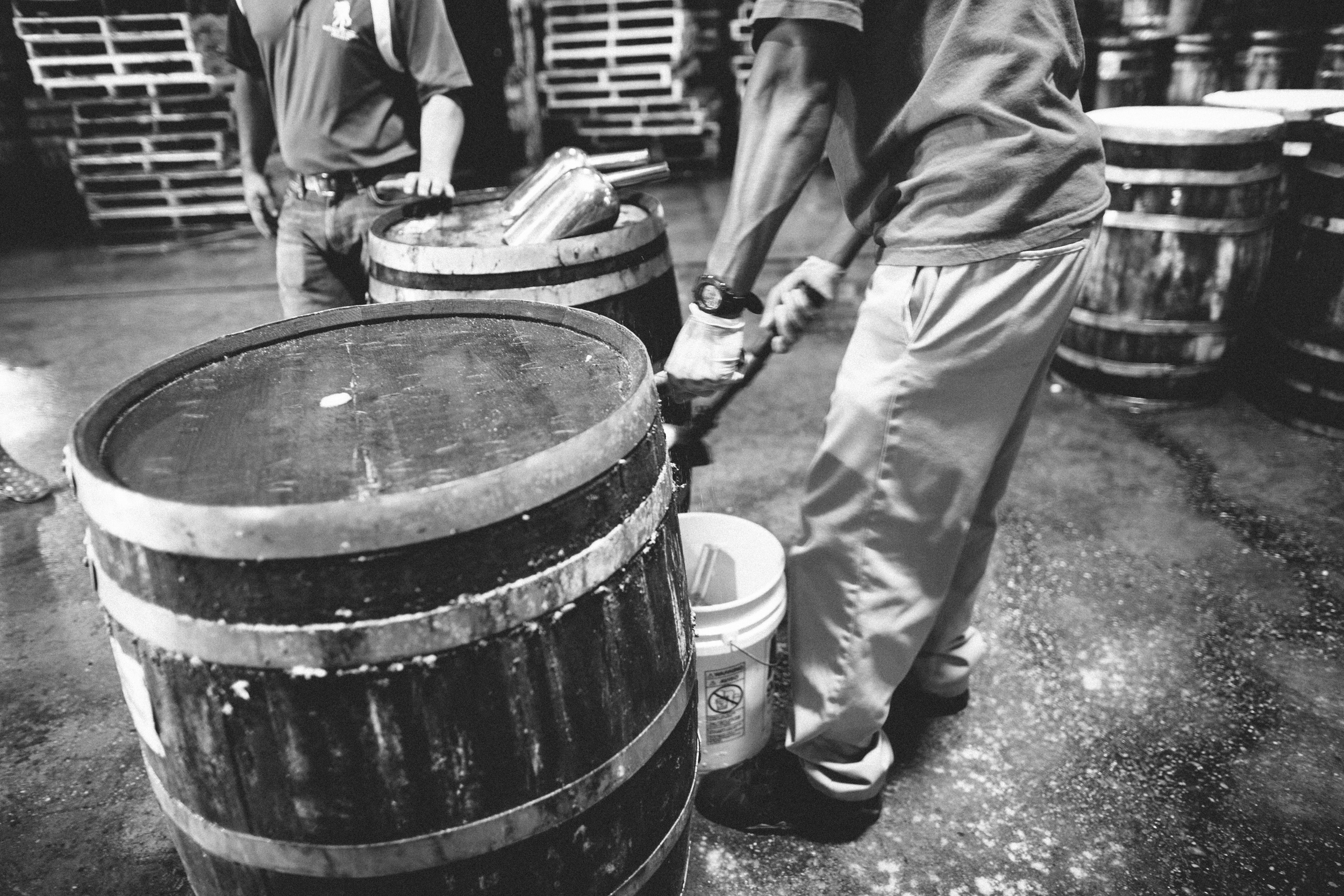
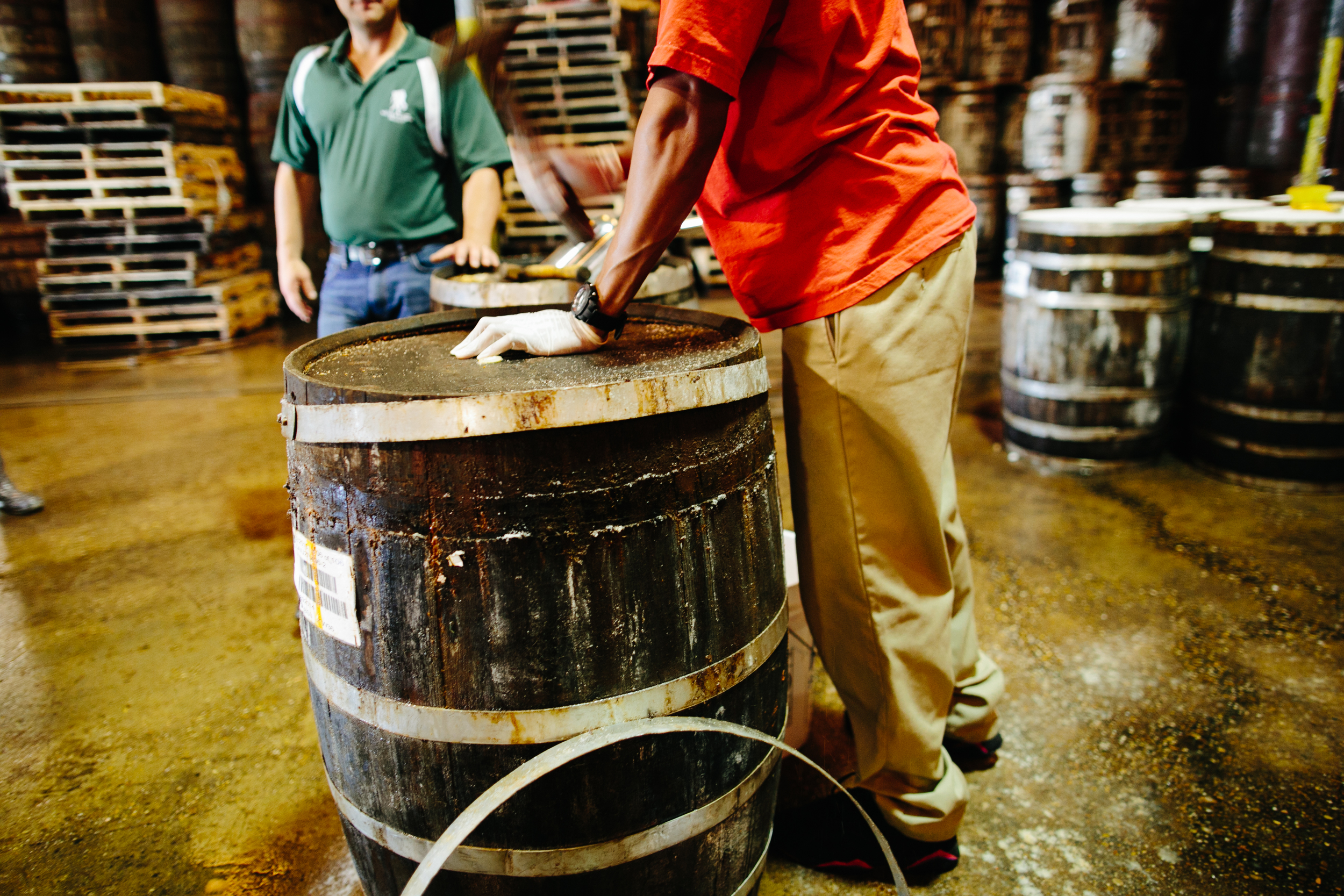
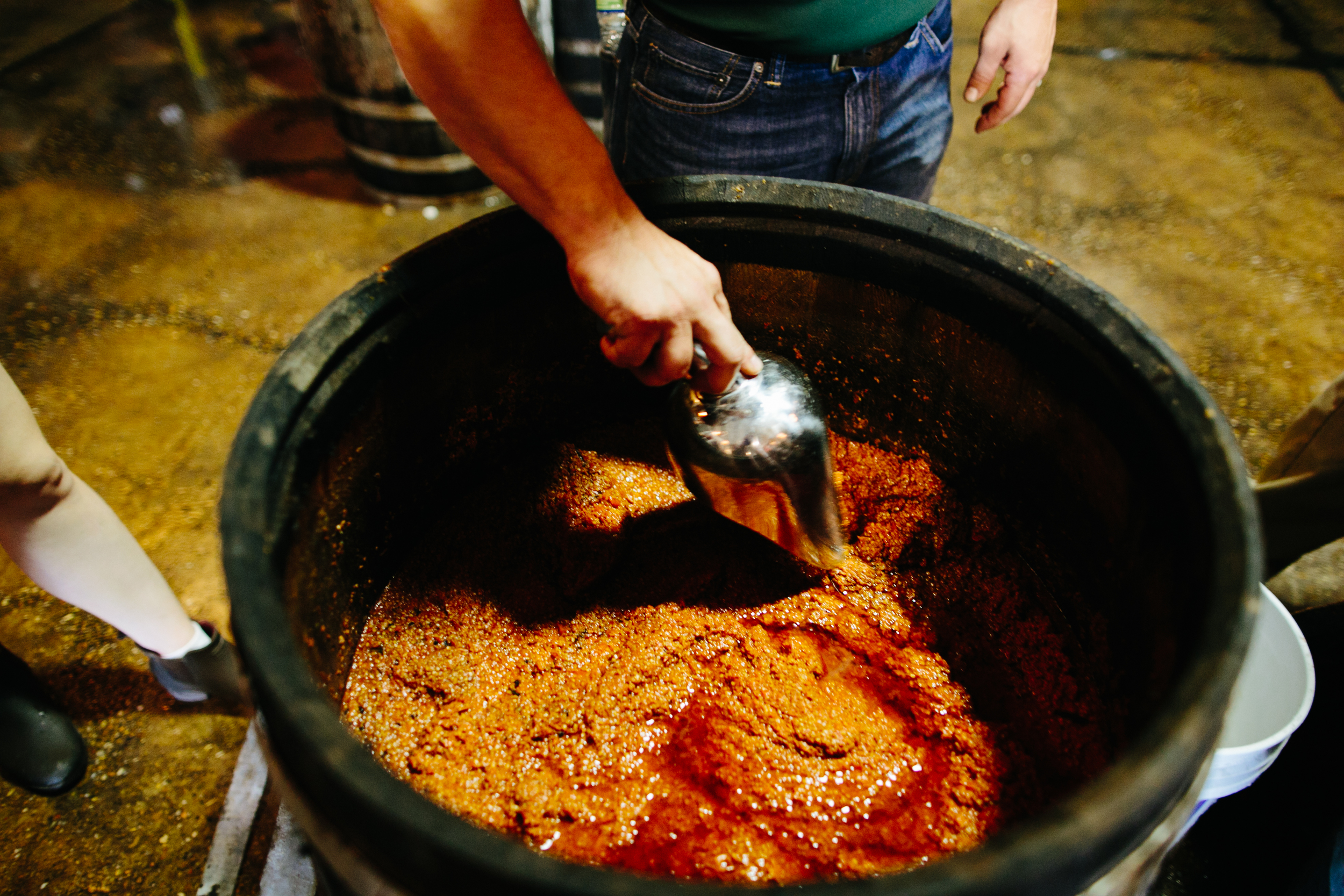
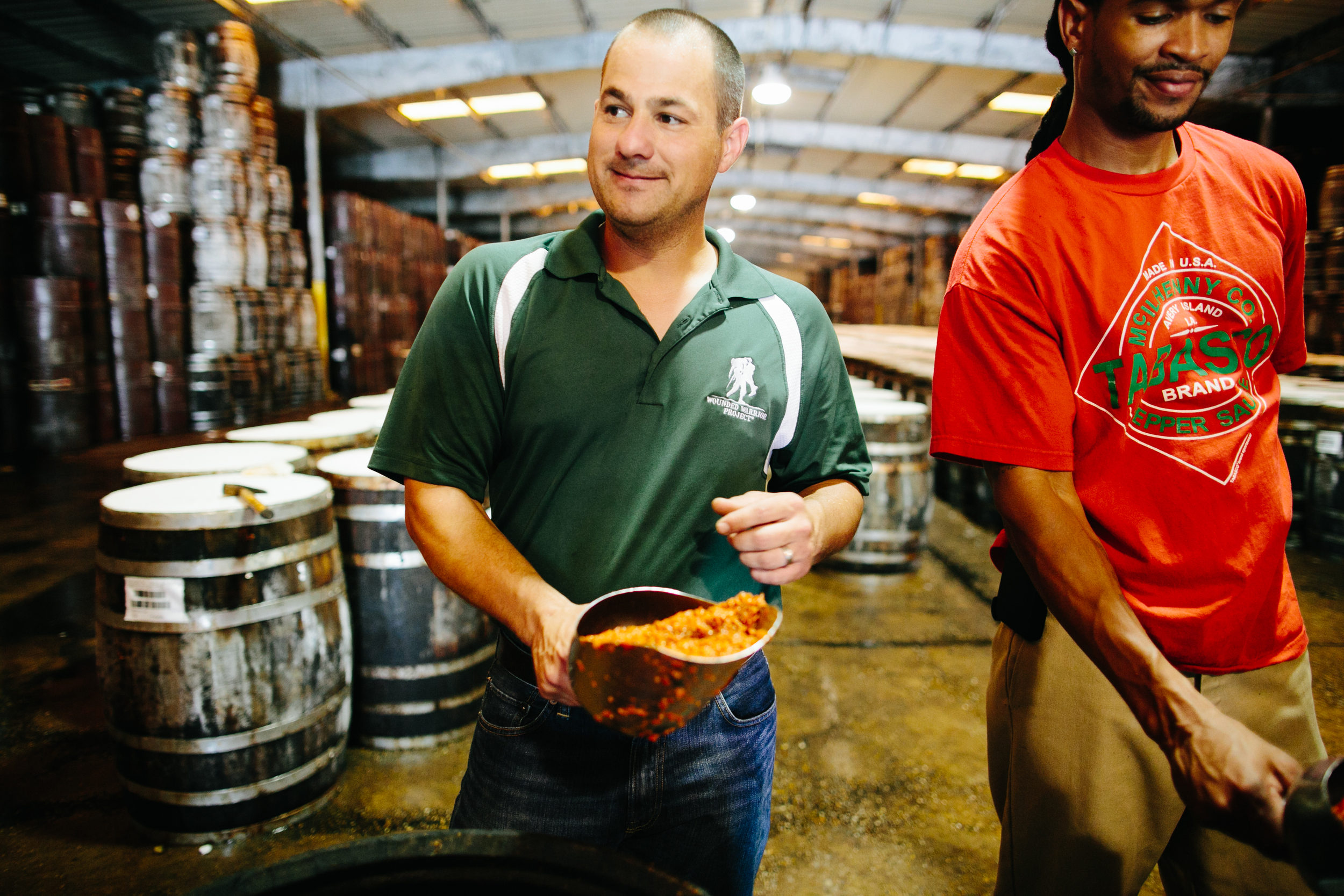
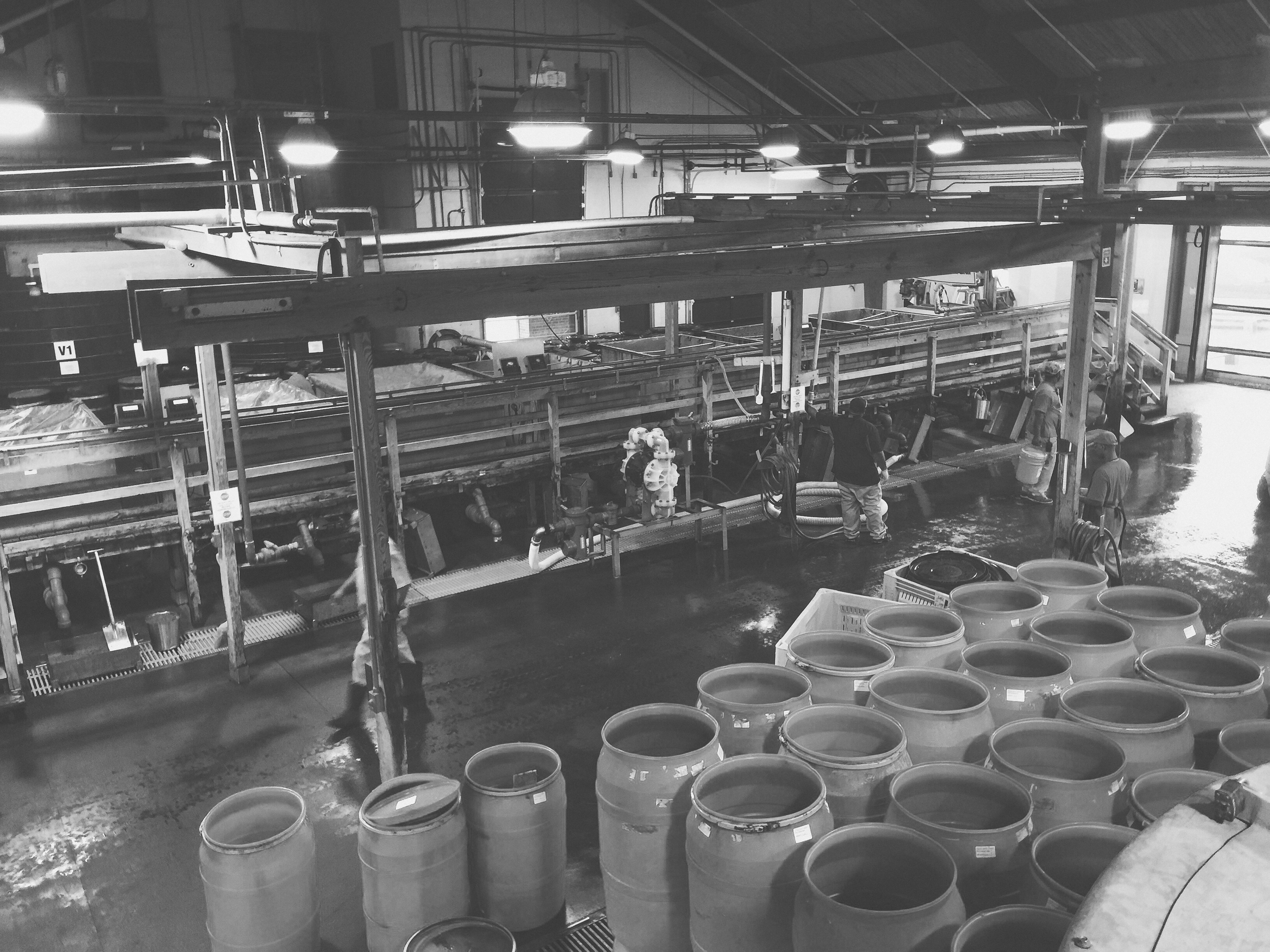
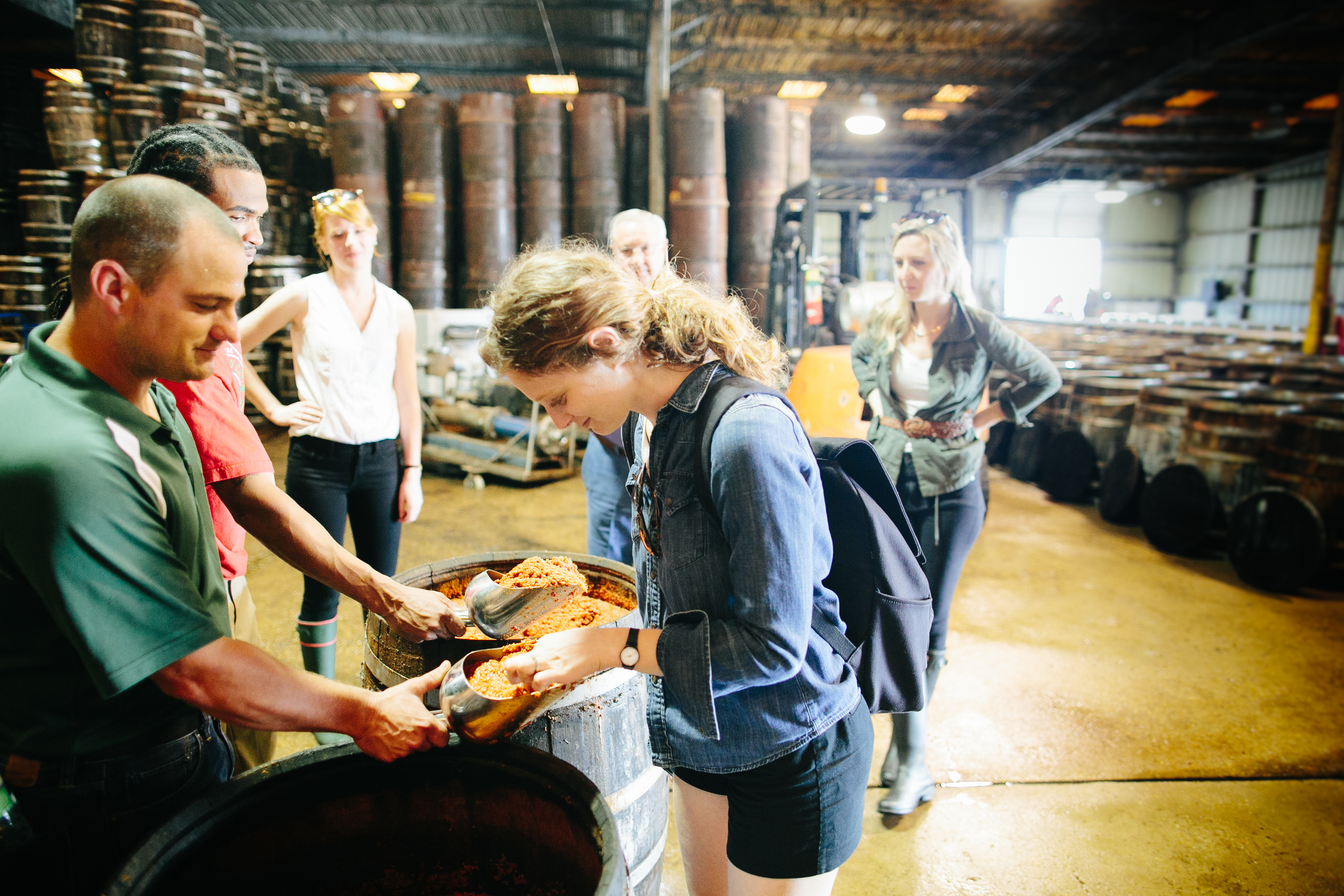
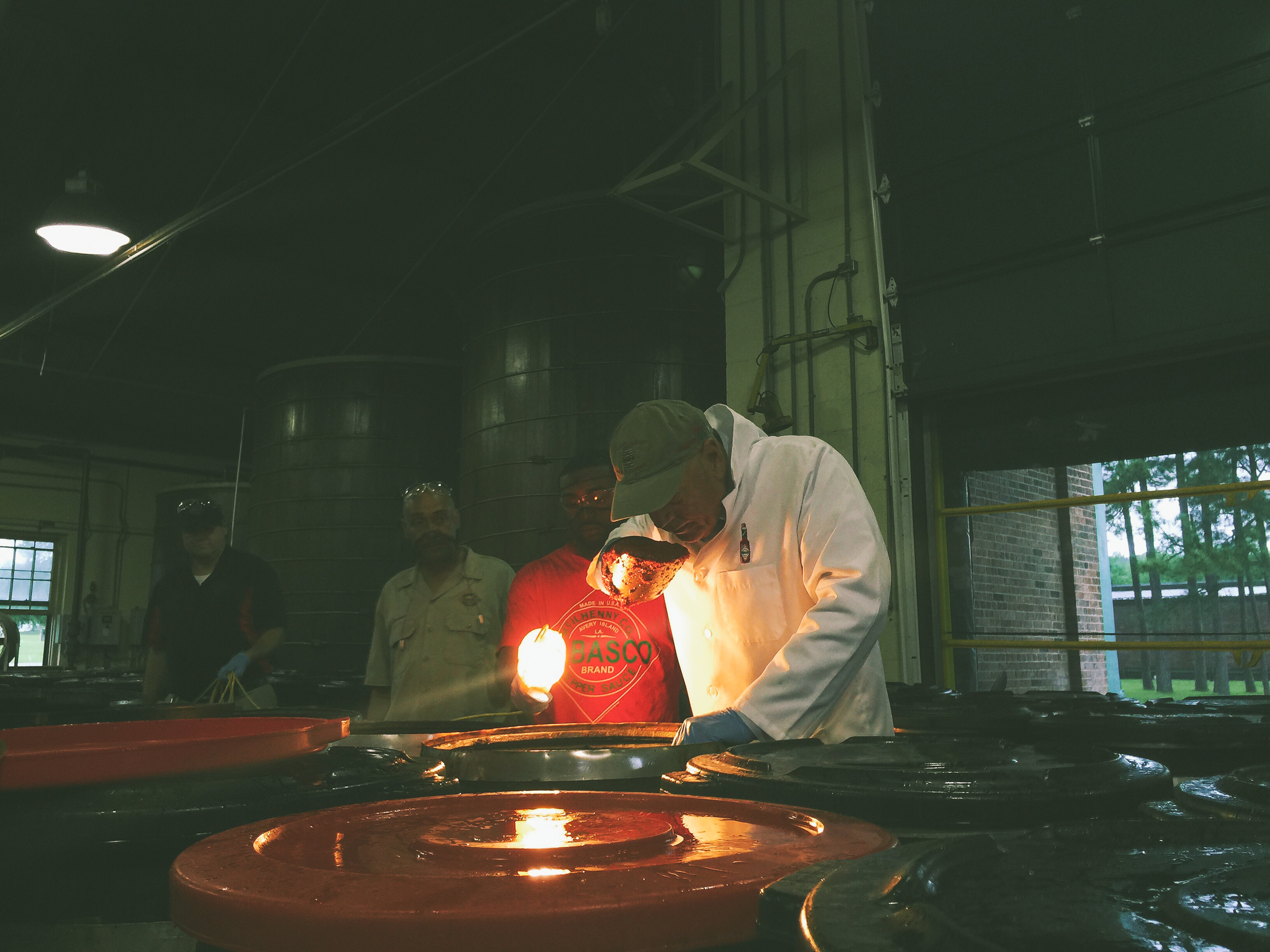
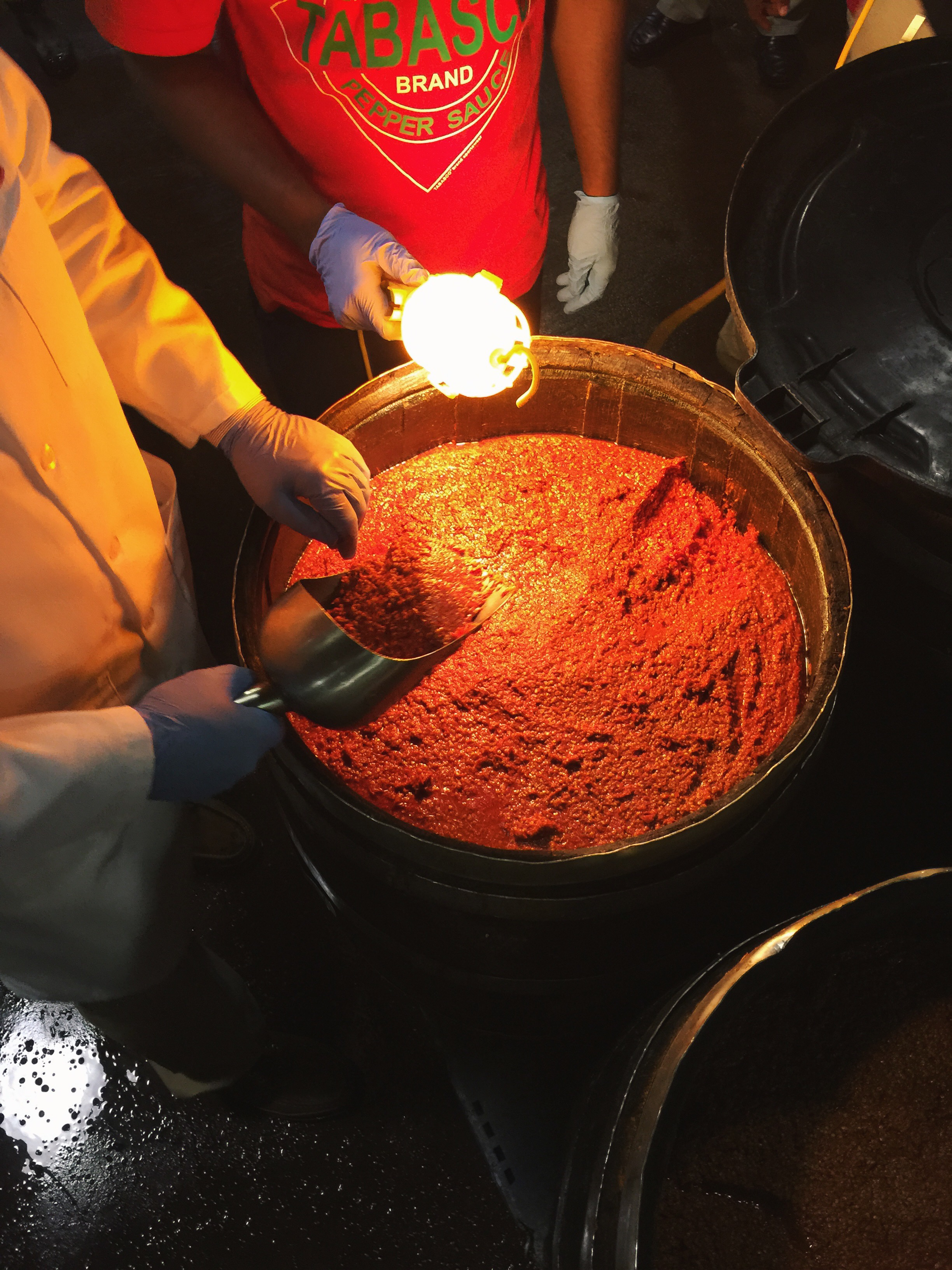
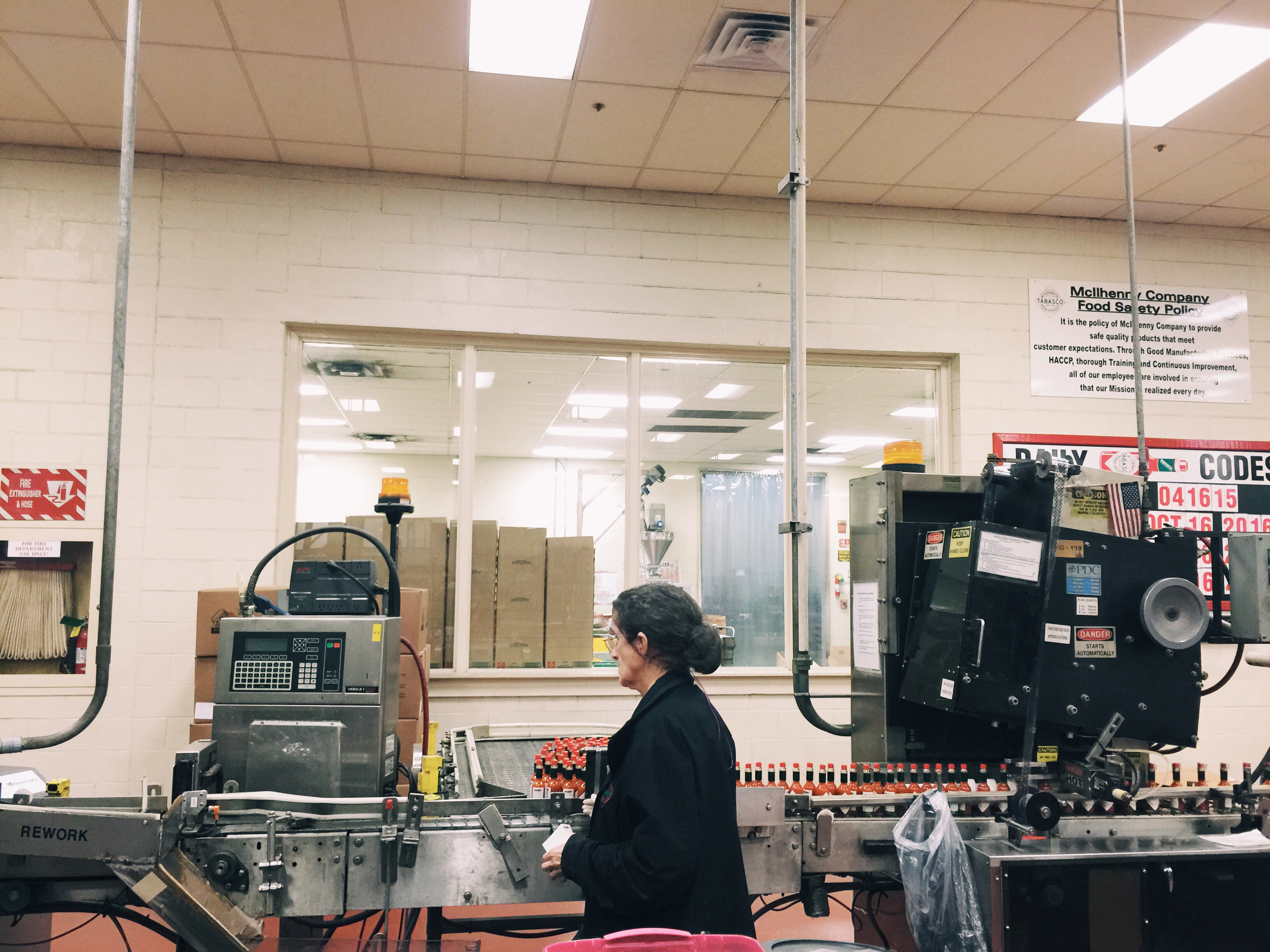
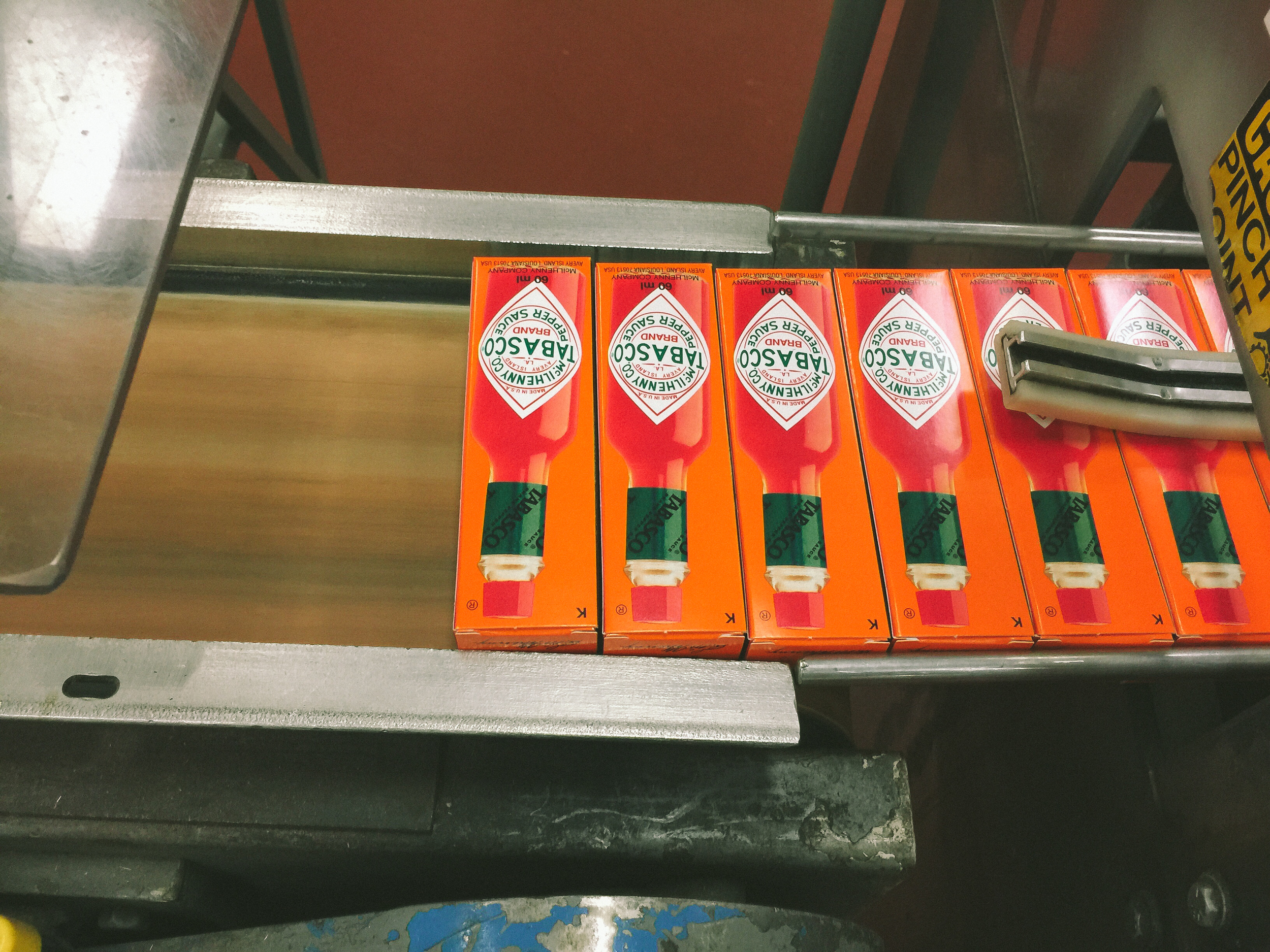
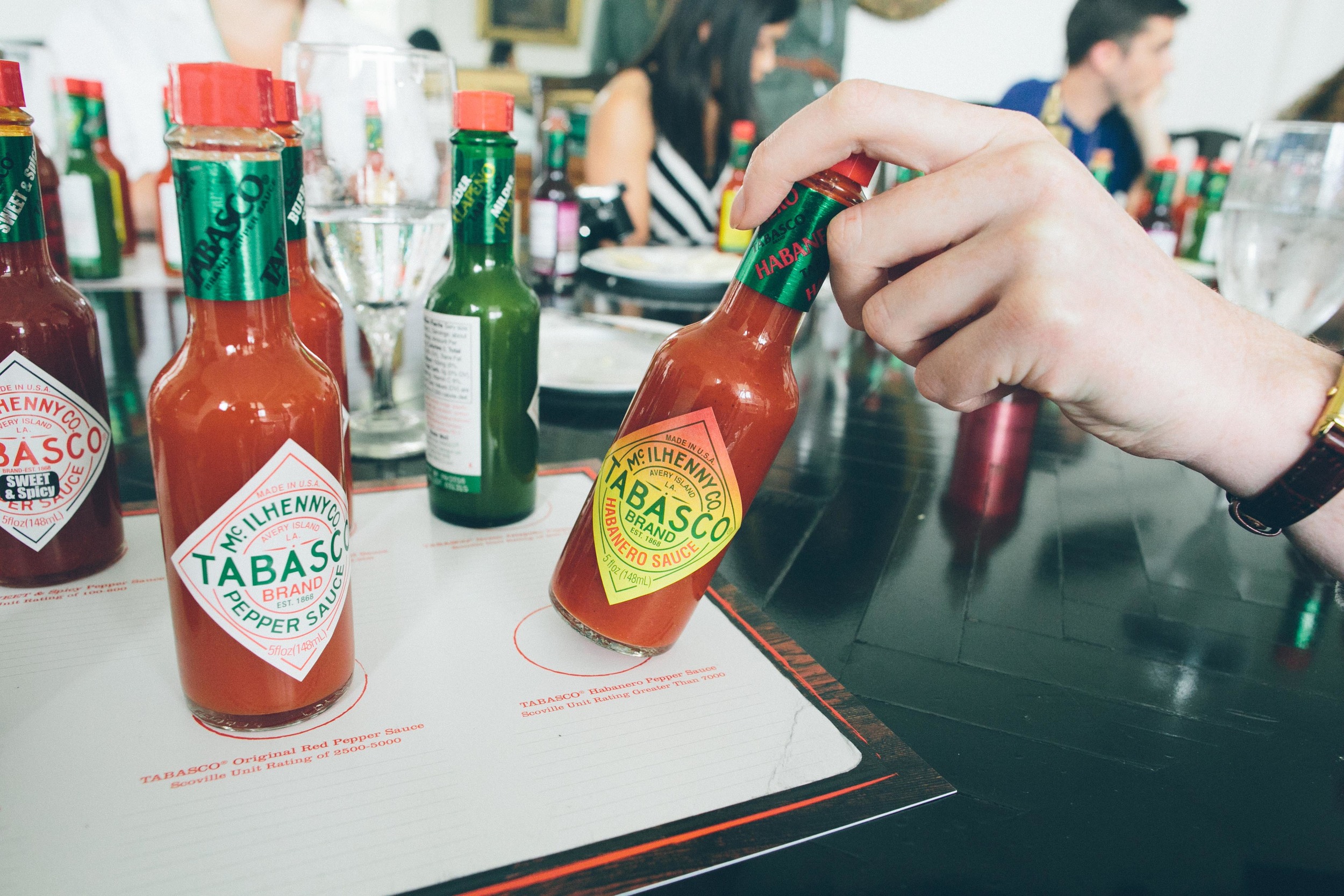
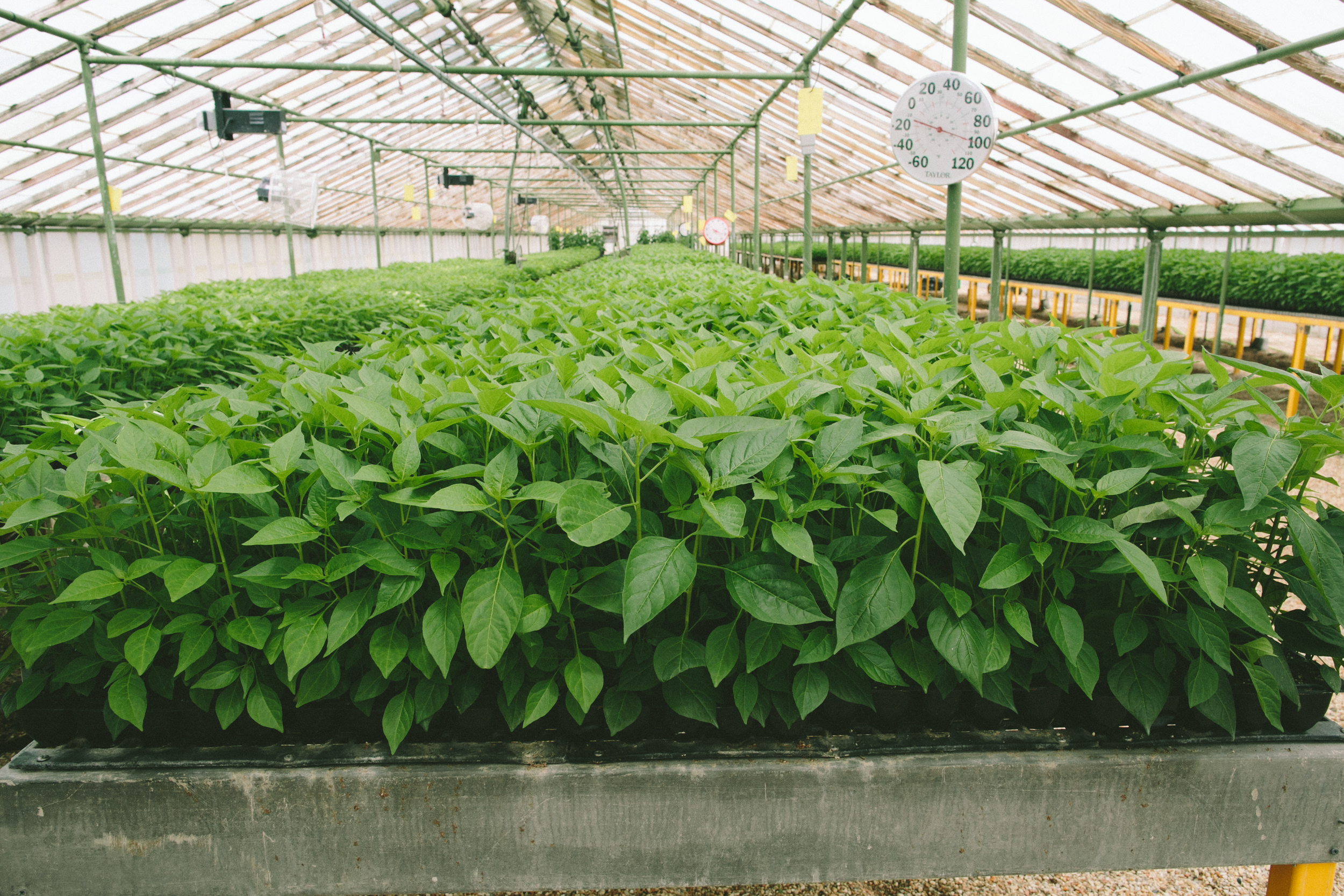
On Friday, I returned from visiting the Tabasco factory at Avery Island, Louisiana. The attendees of the trip were given an inside (and incredibly detailed) look at their impressive operations.  Tabasco has a very deep and elaborate history, but what hasn't changed since their inception in 1868 is the recipe: a mixture of ground peppers, salt, and vinegar. The blended peppers and salt, known as a "mash," are aged in bourbon barrels for three years. Tony Simmons, Tabasco's CEO, tests the quality of each mash by smelling and tasting it (as a newbie, just standing in the same room as the mash overwhelmed my senses). Once tested, the skin and seeds of the peppers are removed from the mash and then, finally, the vinegar is added. When the sauce is ready, it's bottled, packaged, and distributed around the world (all of which is done on site).

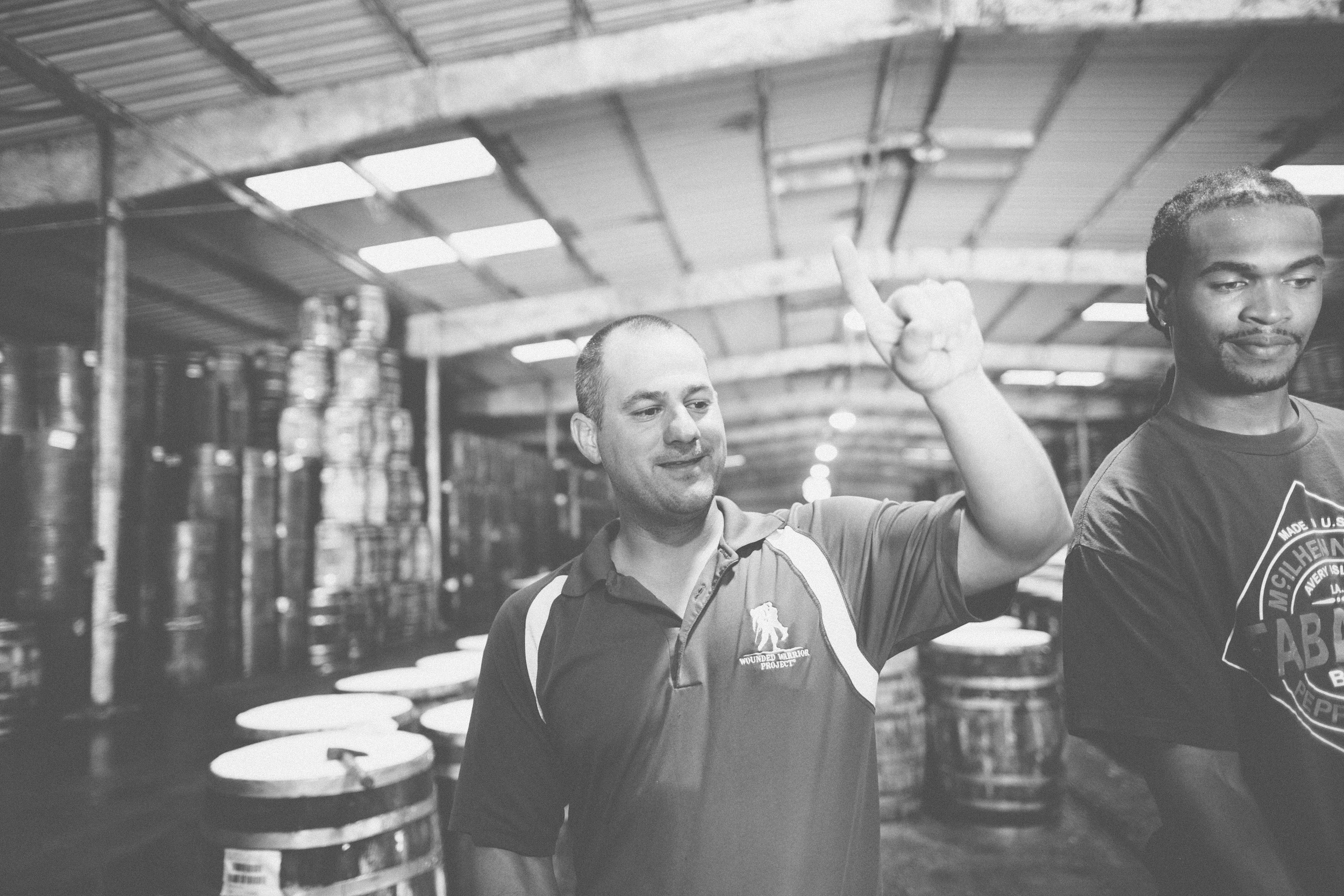
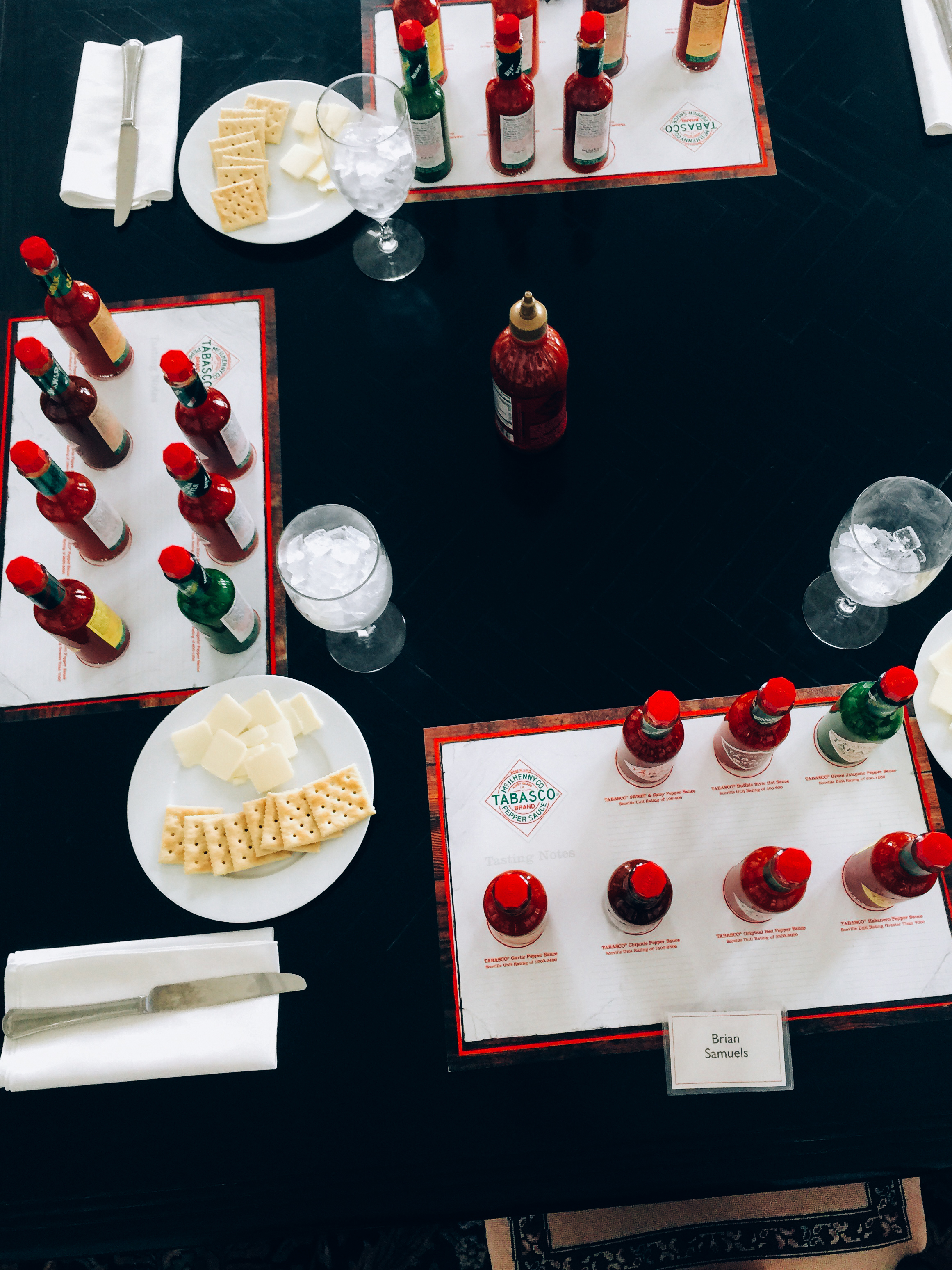
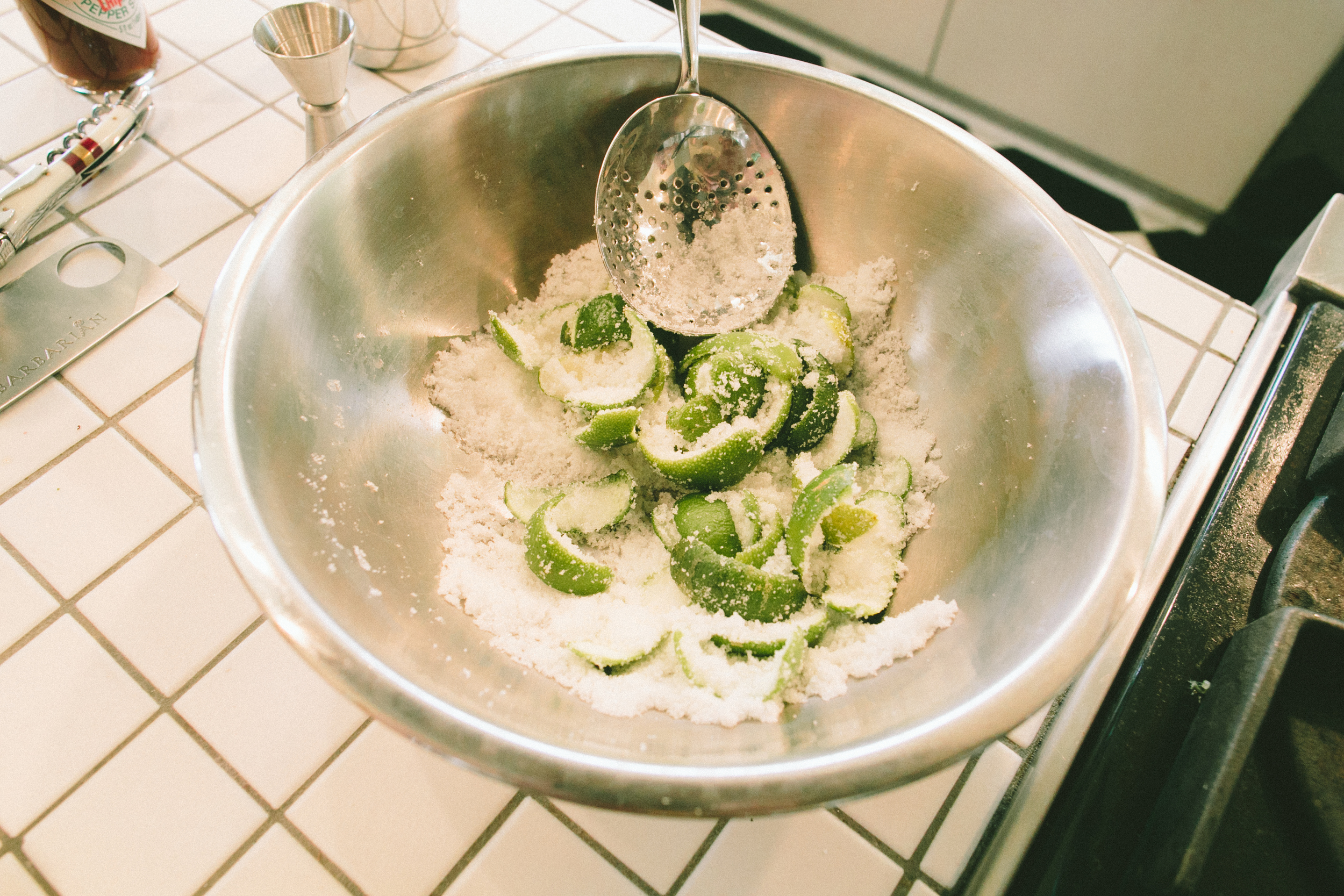
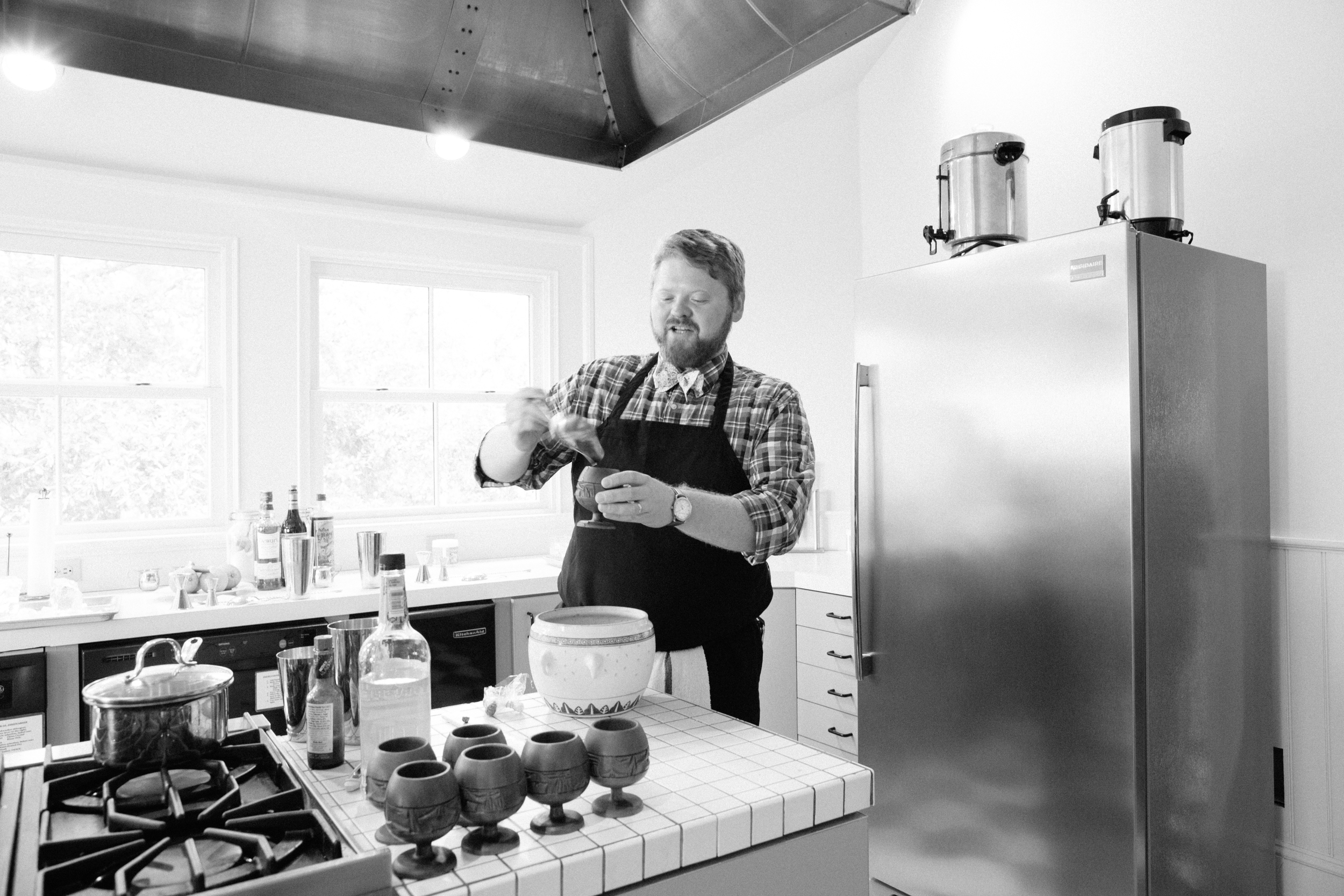
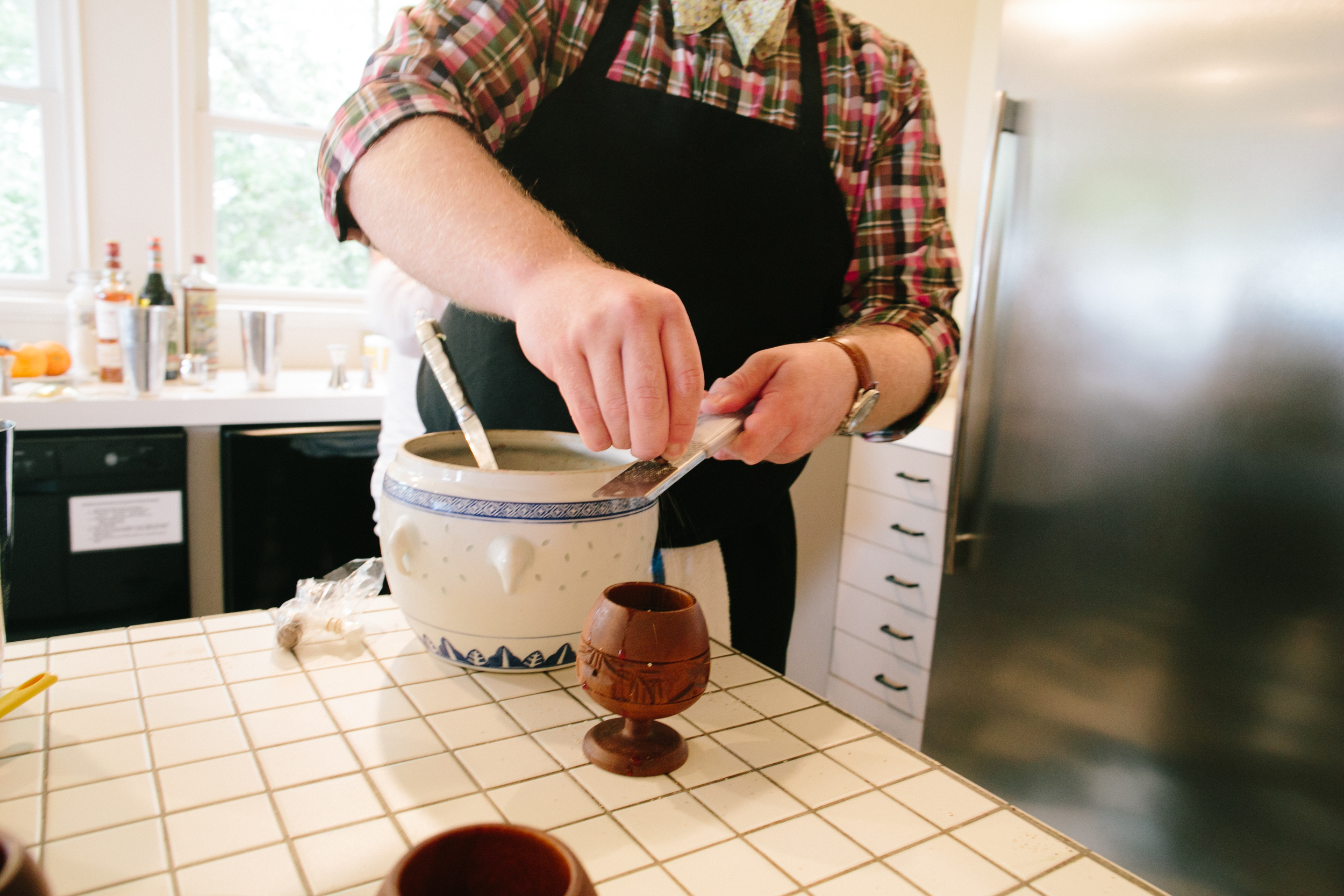
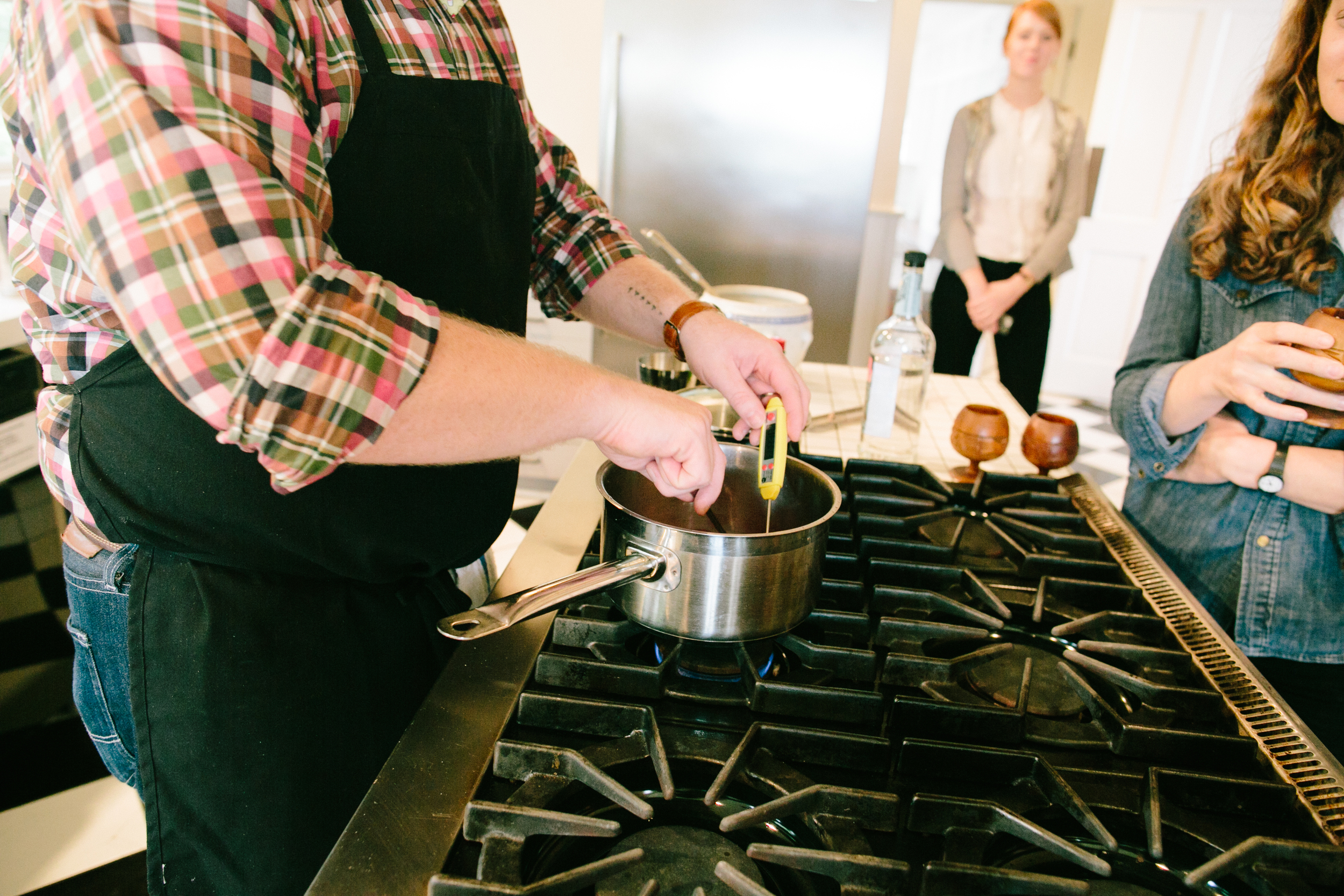
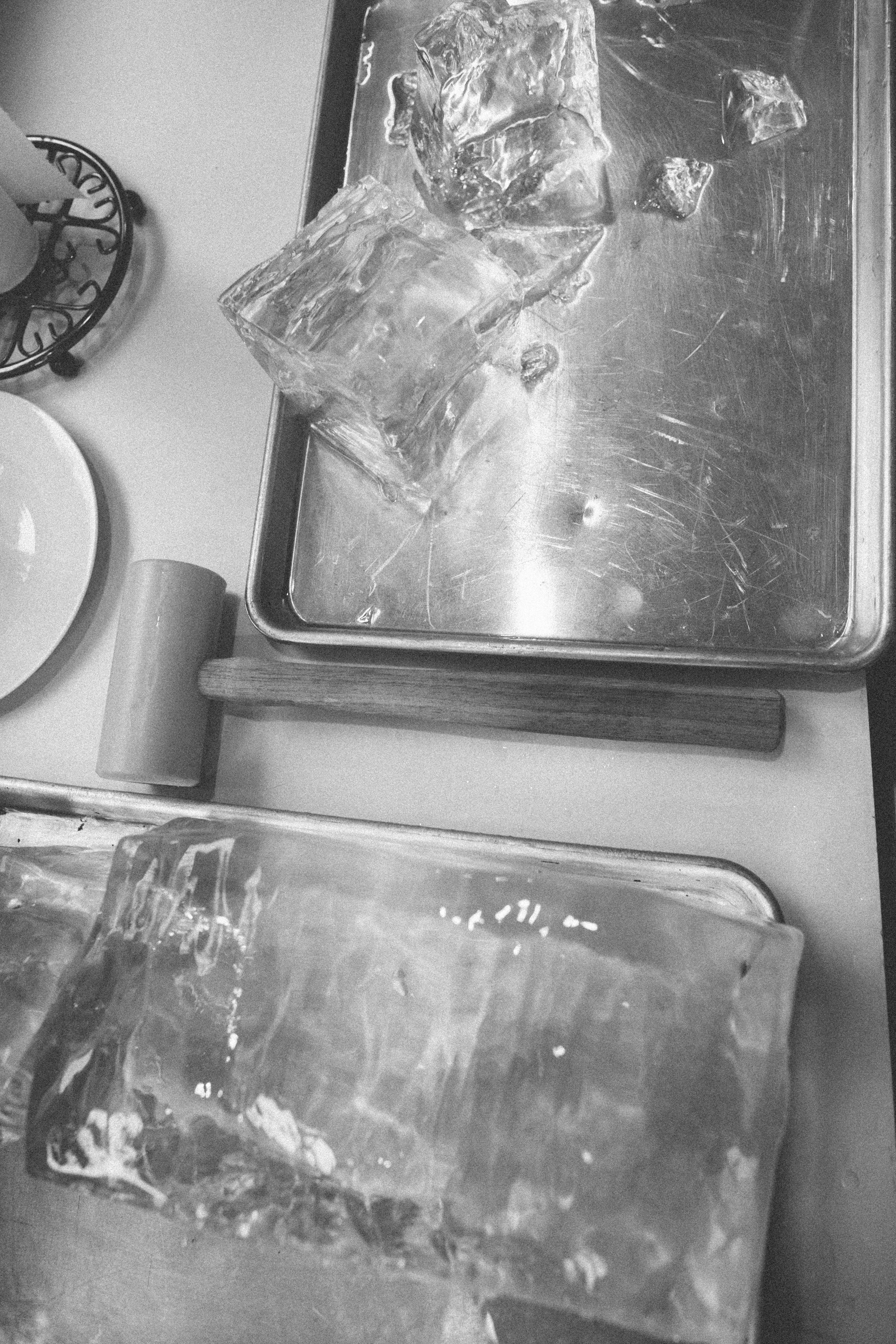
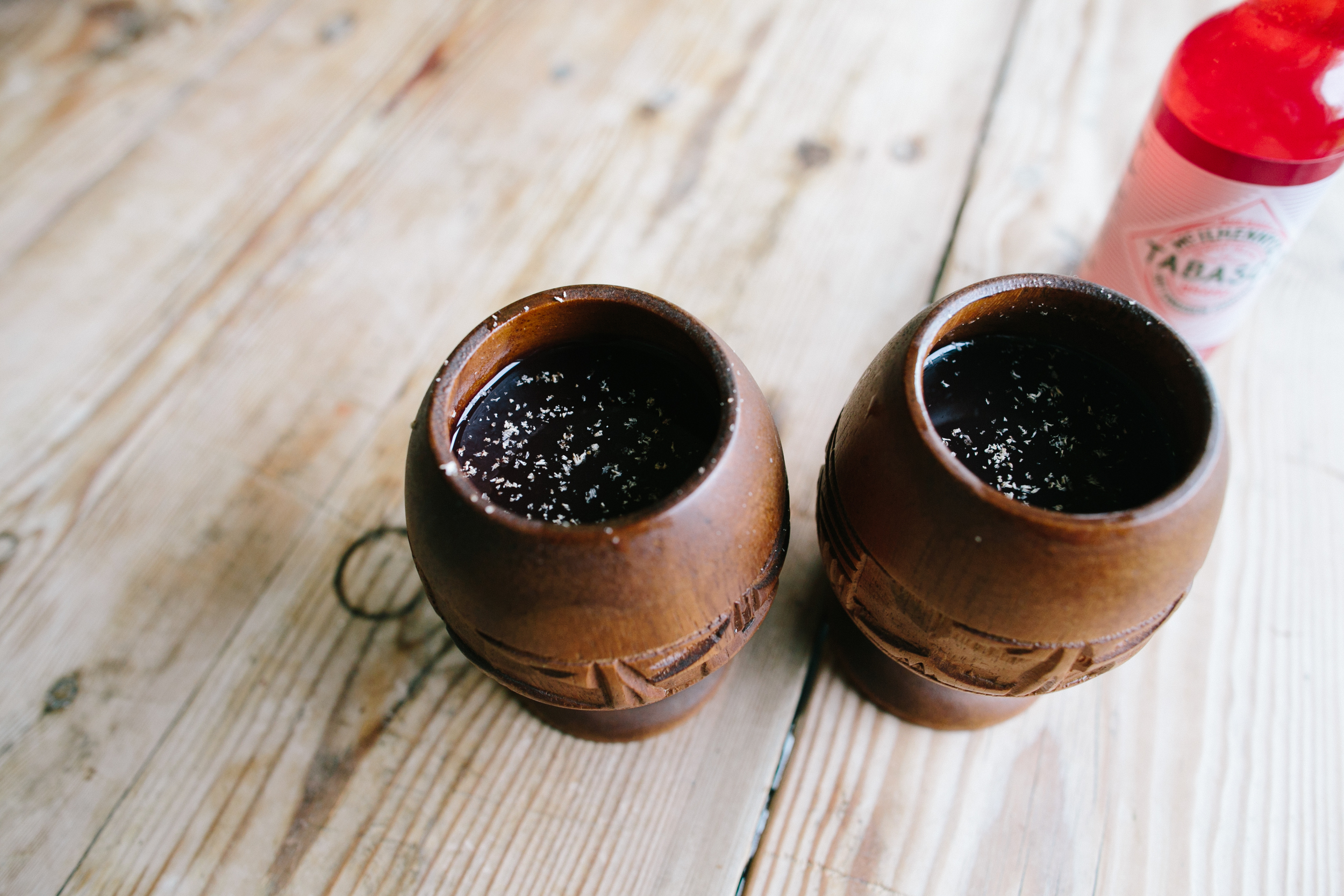
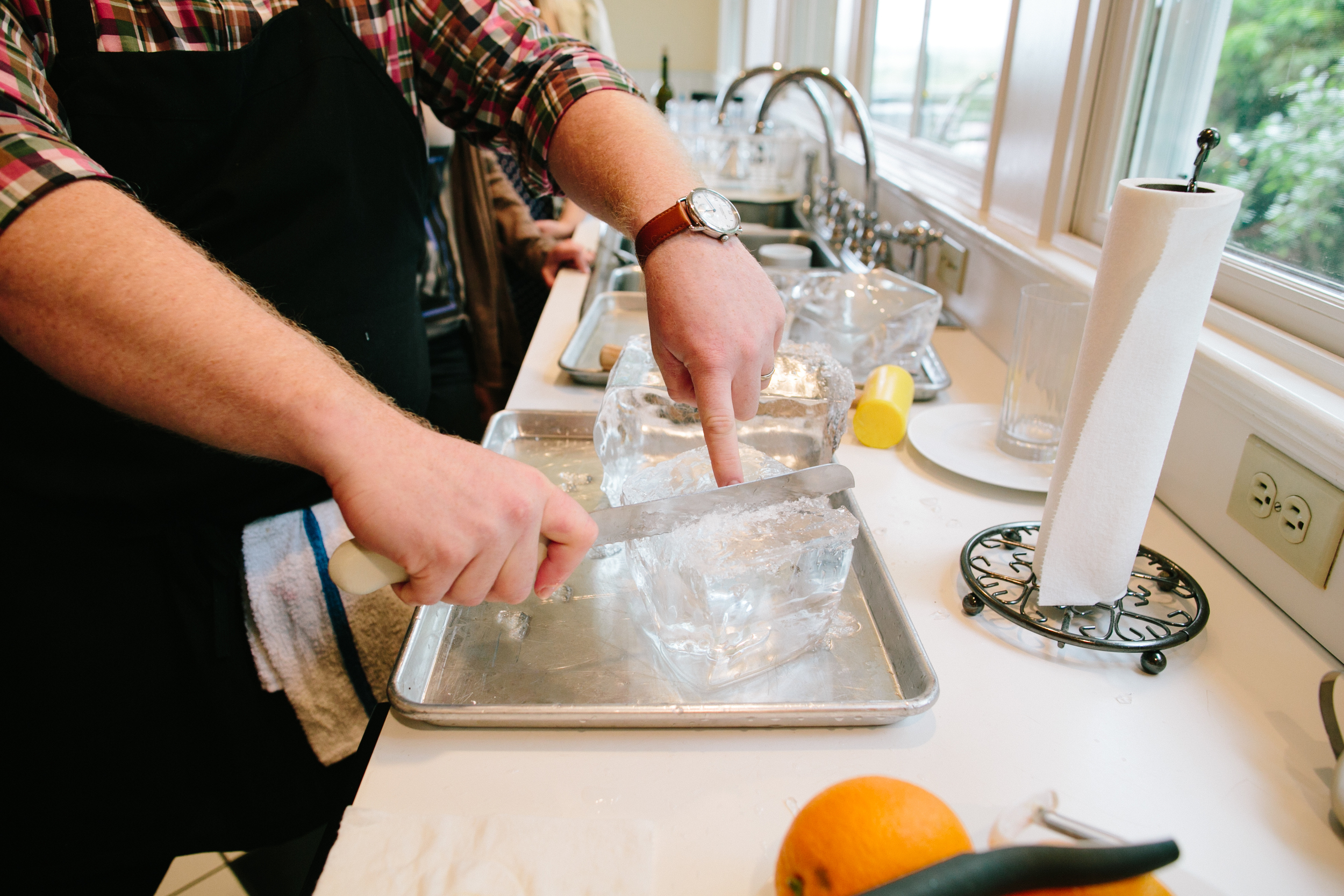
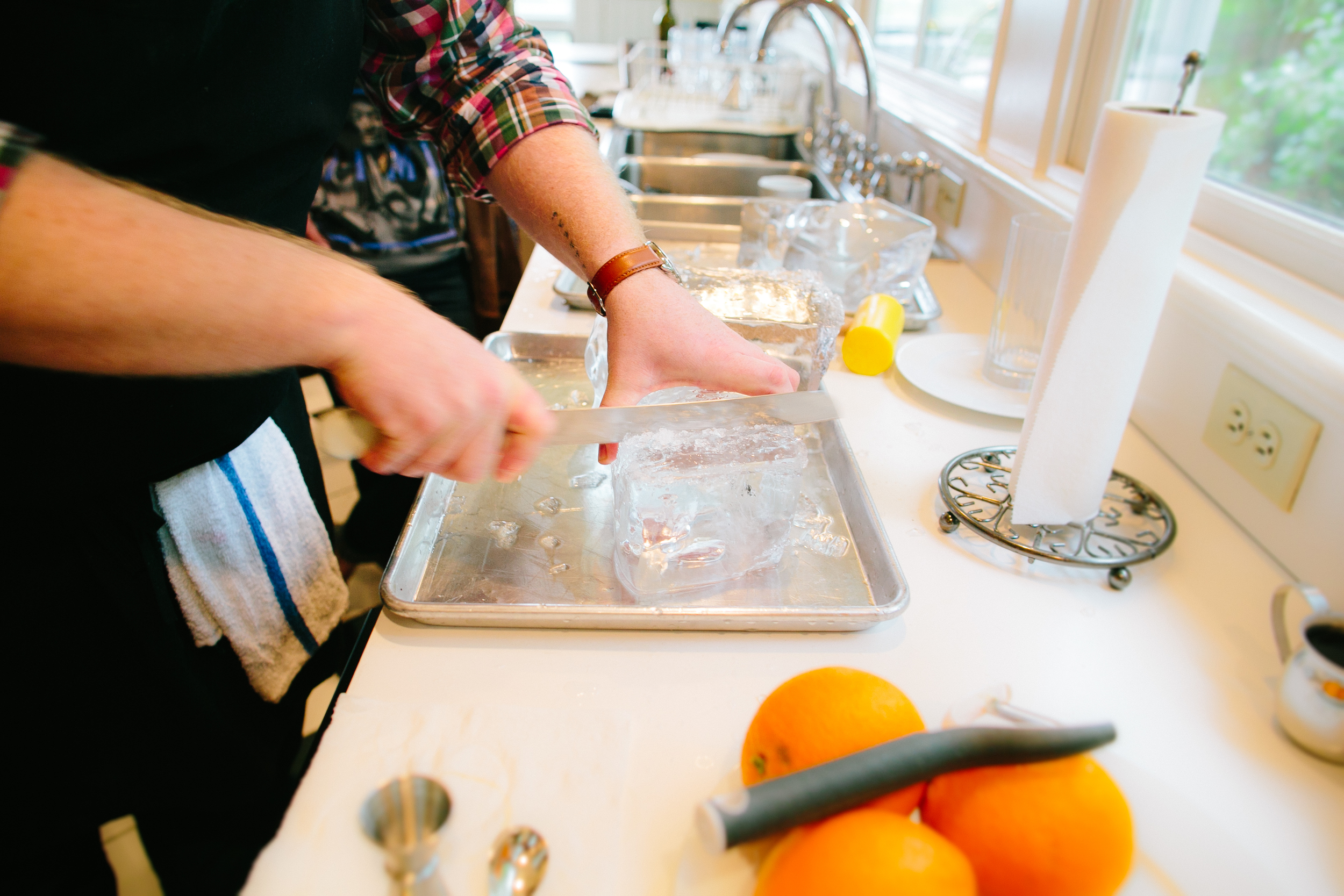
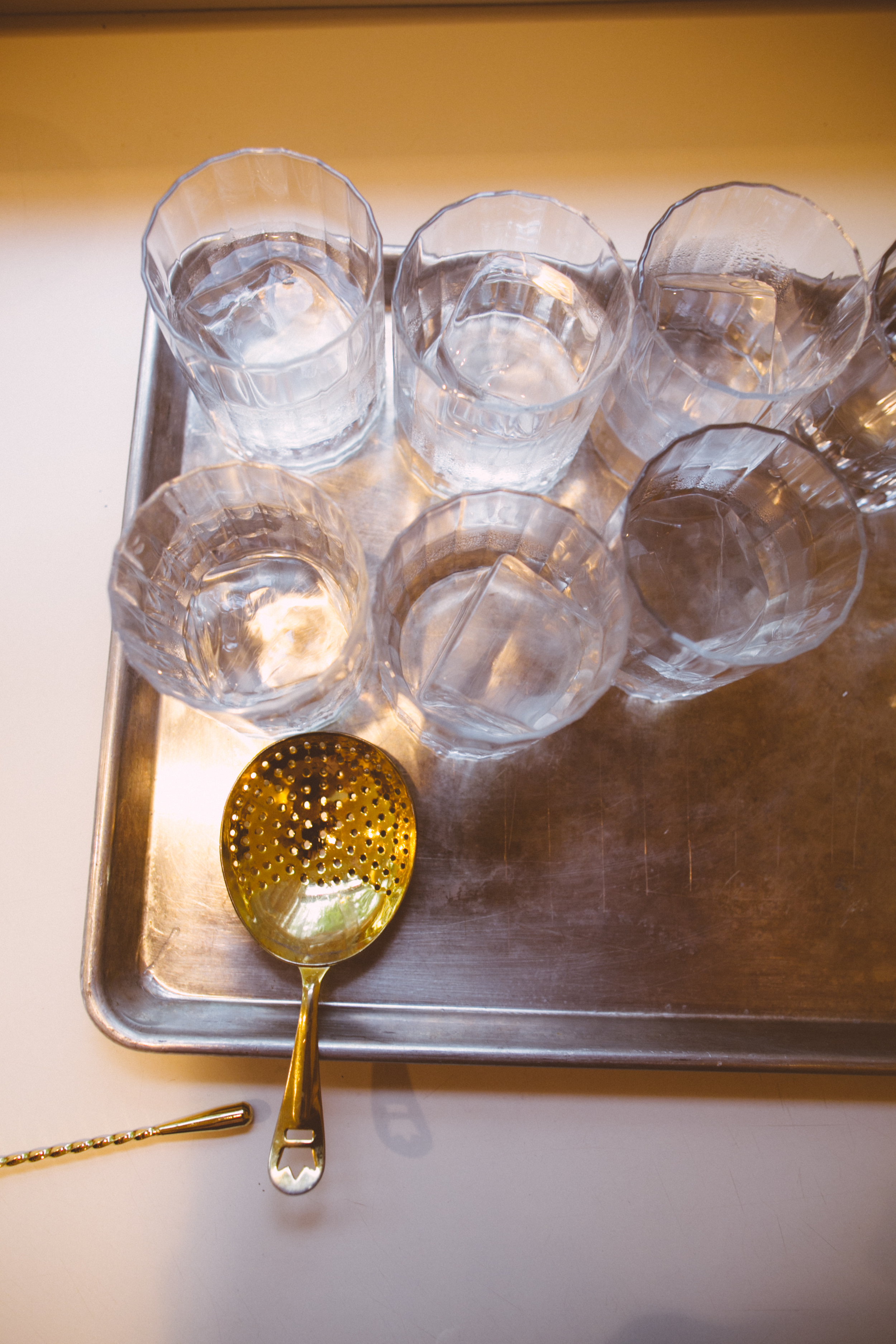
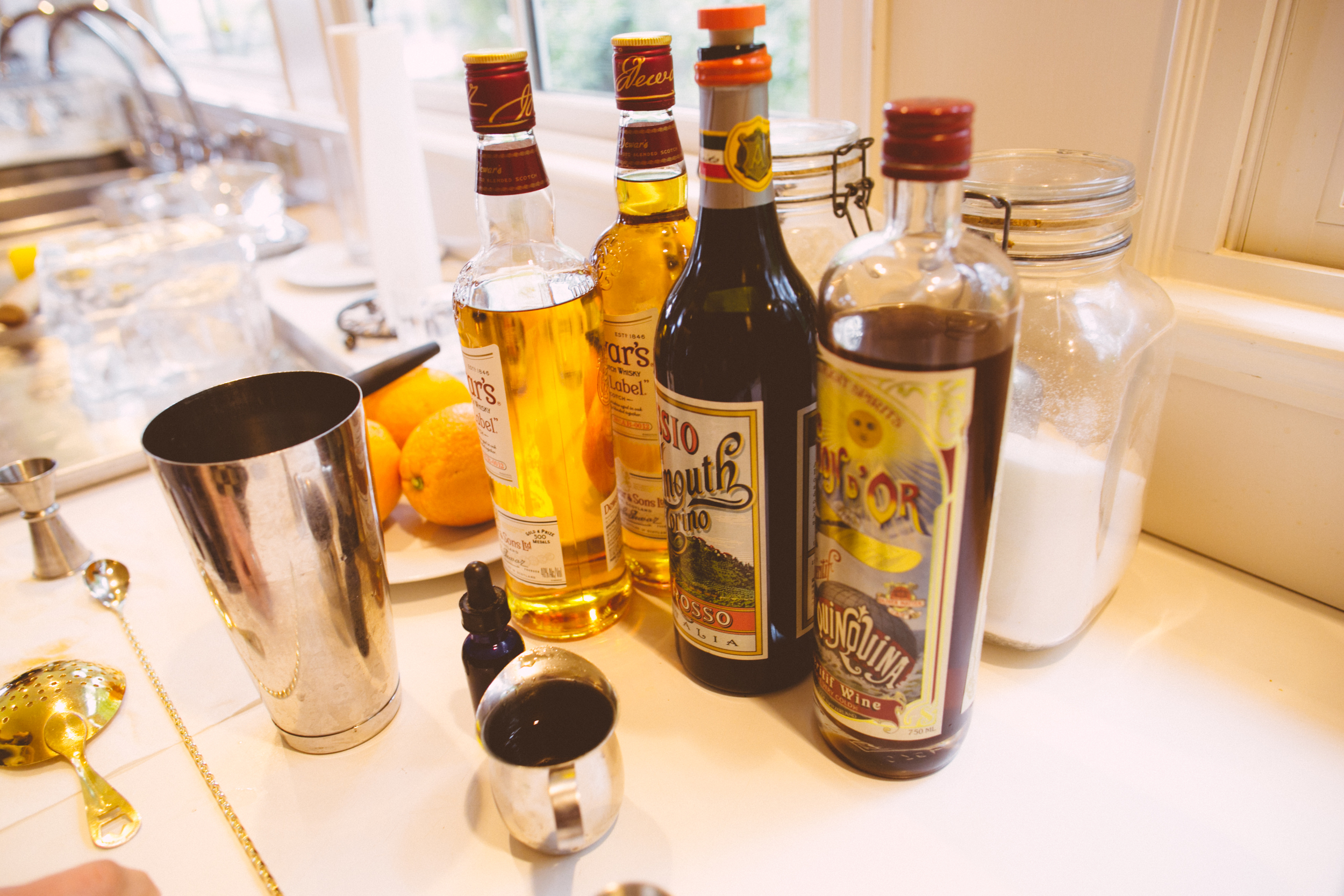
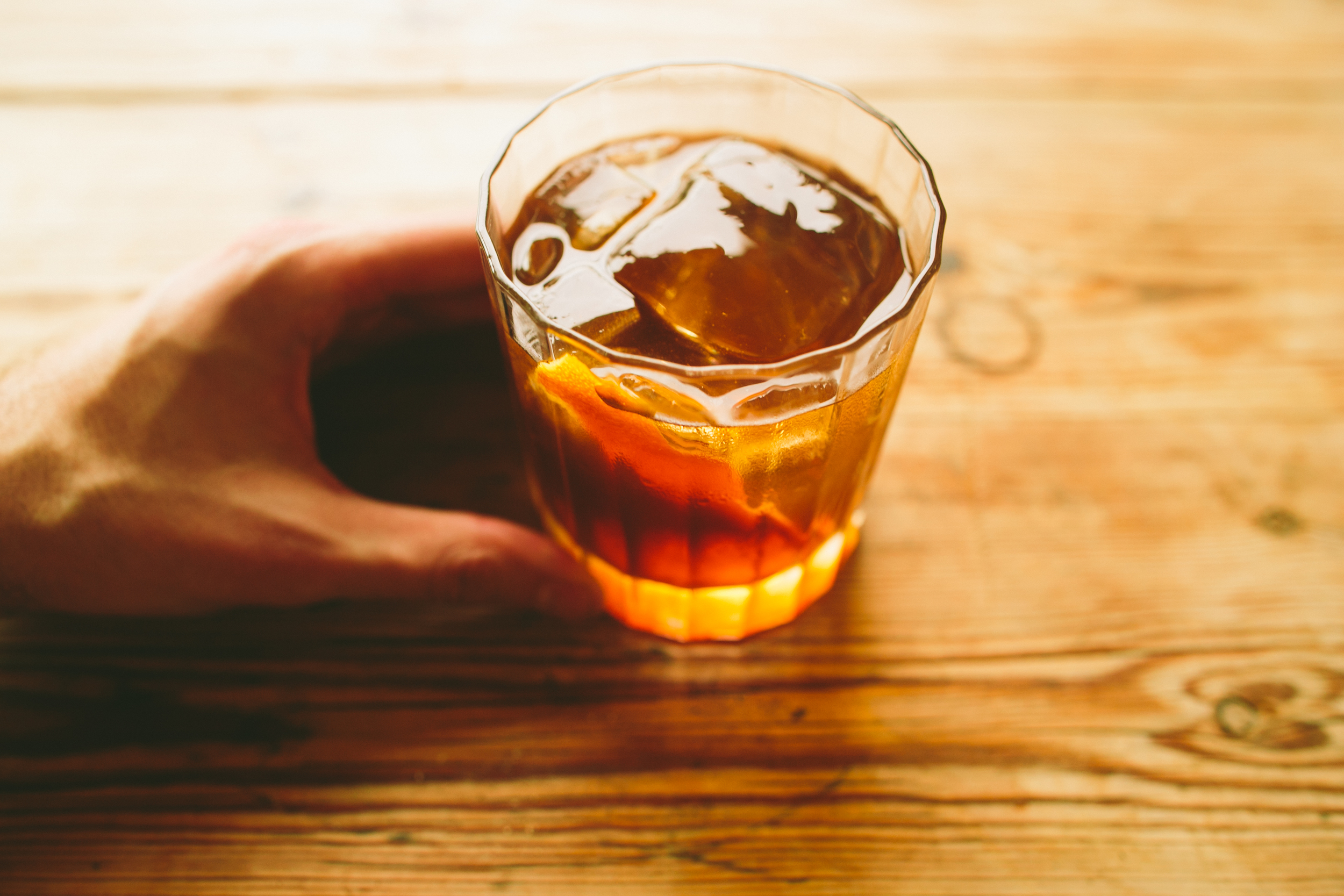
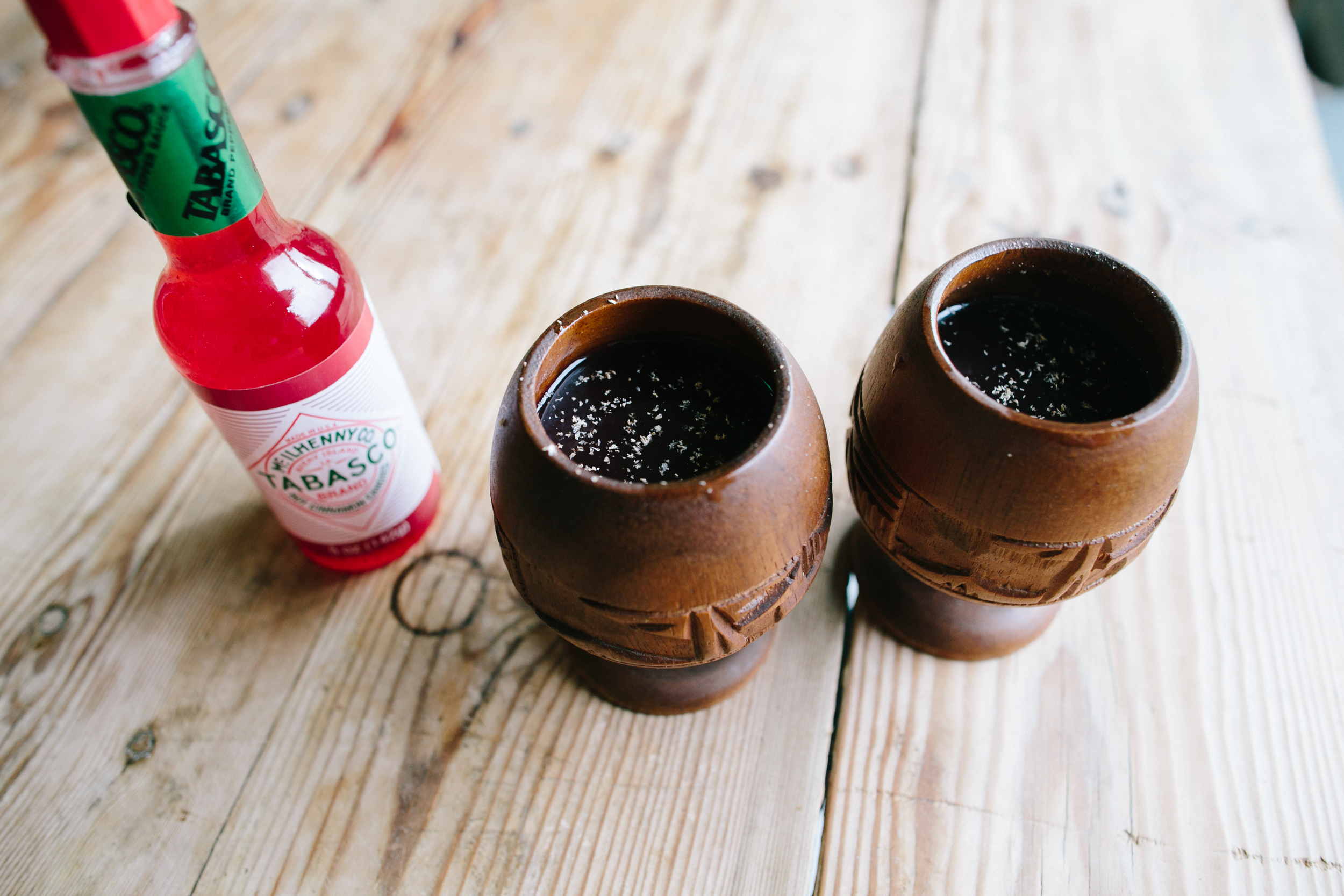
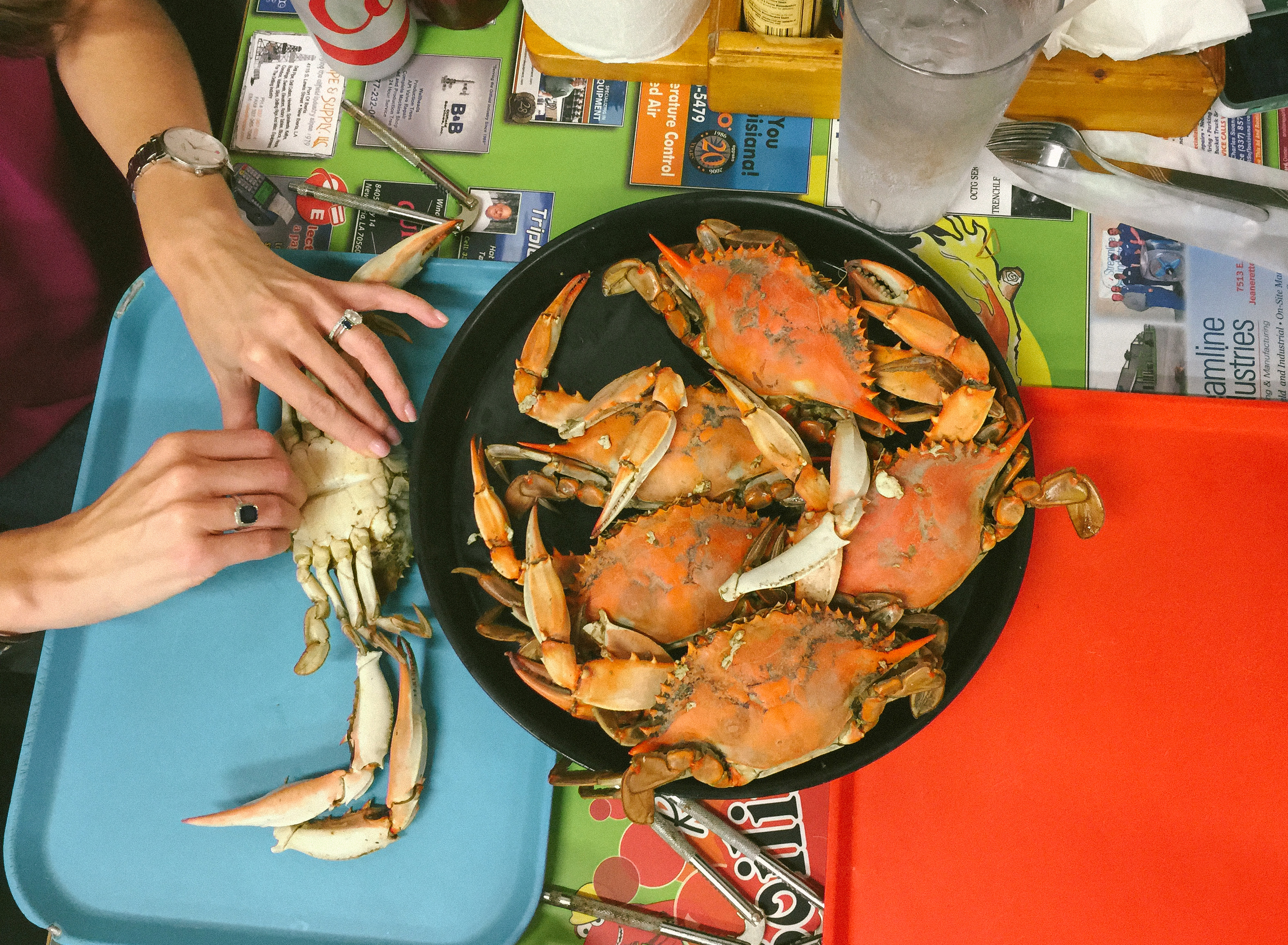
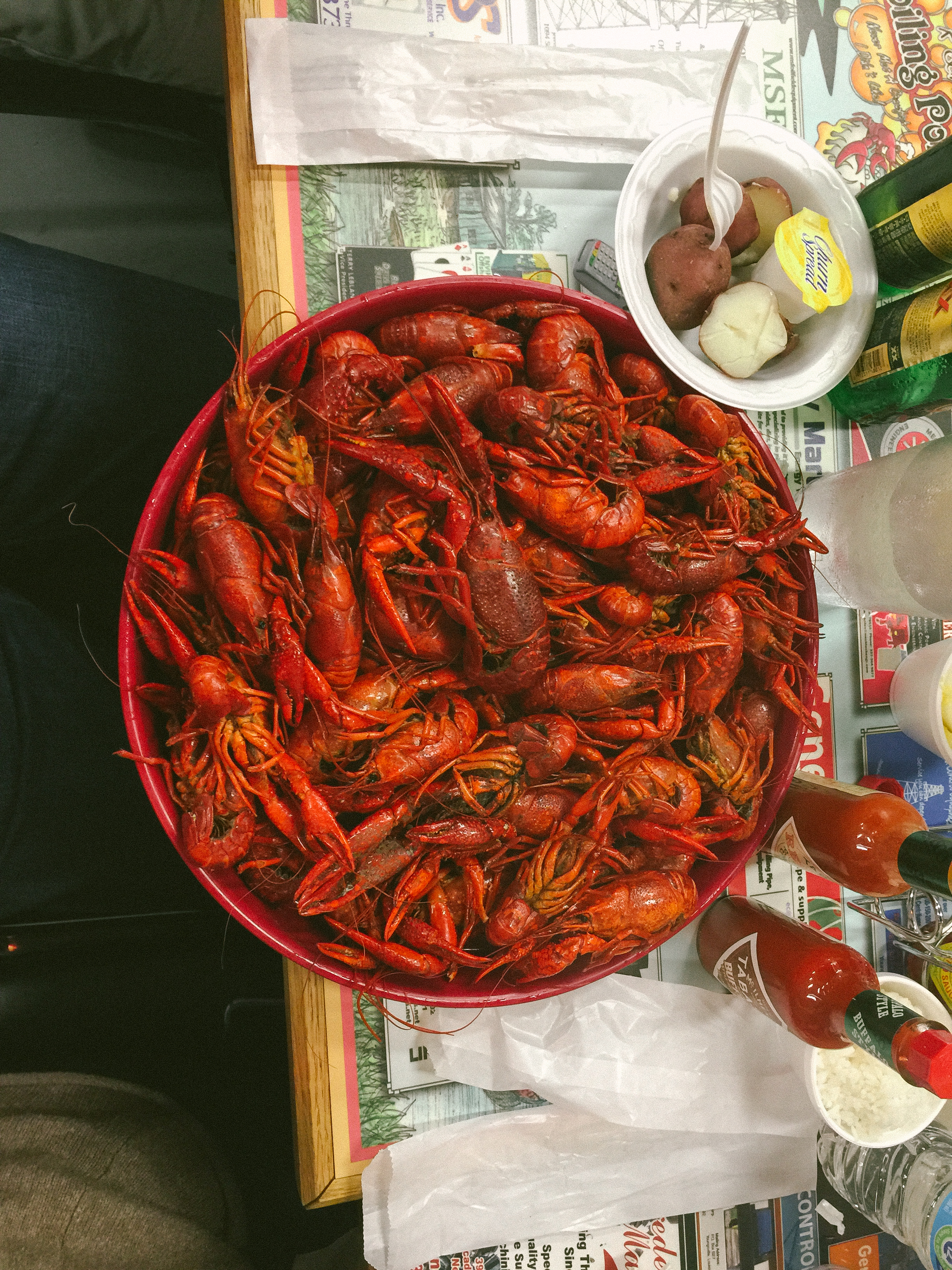
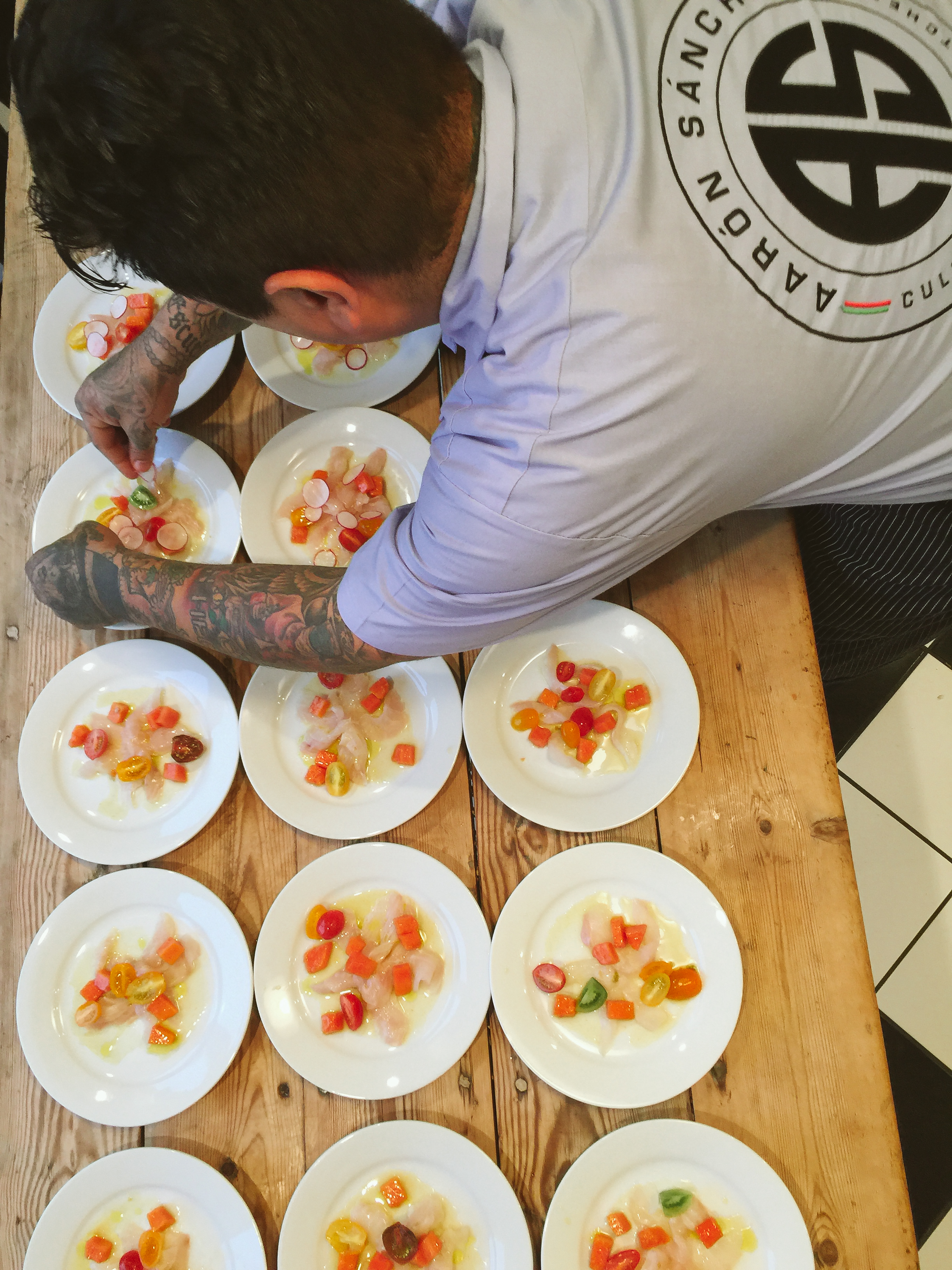
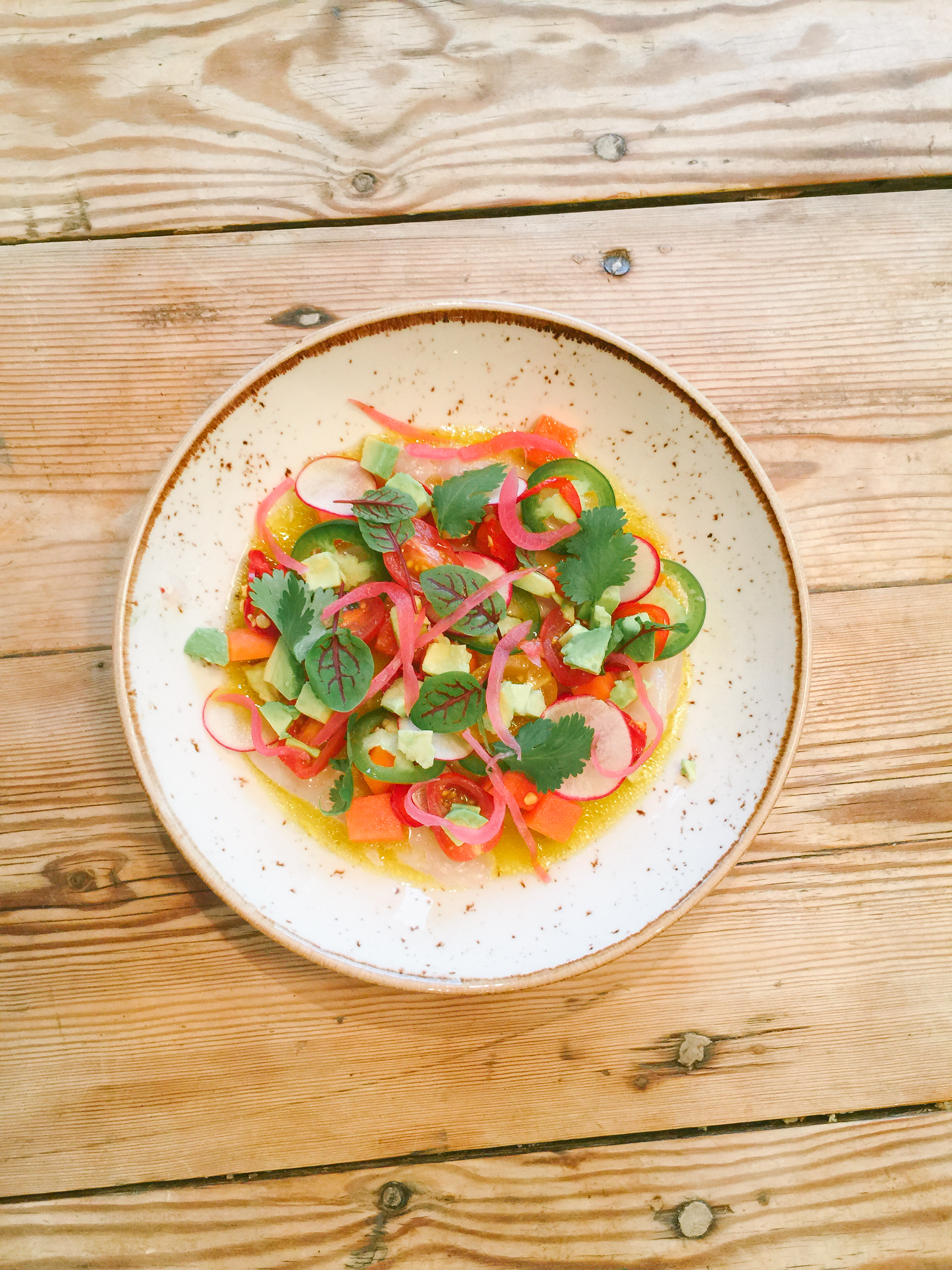
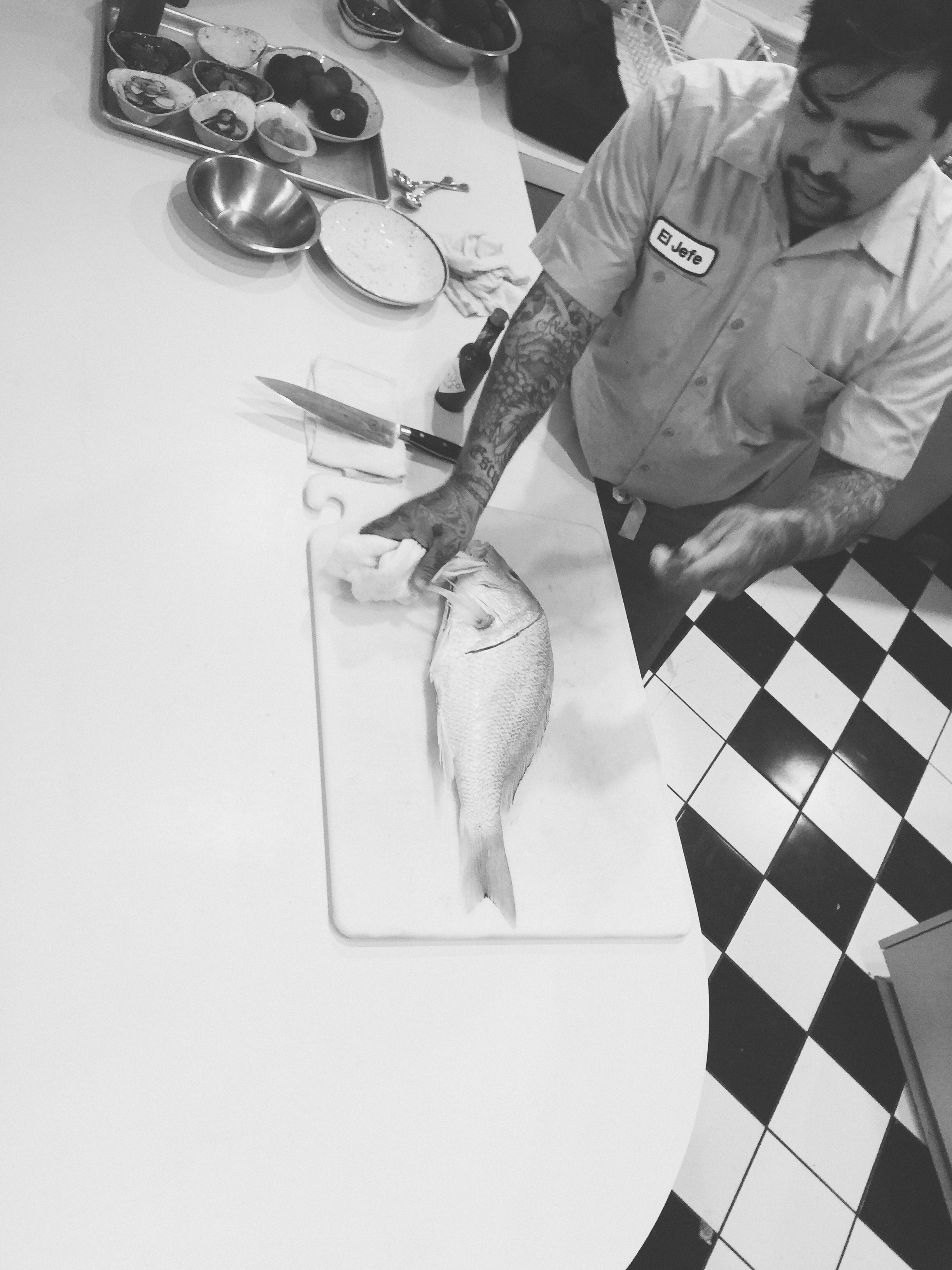
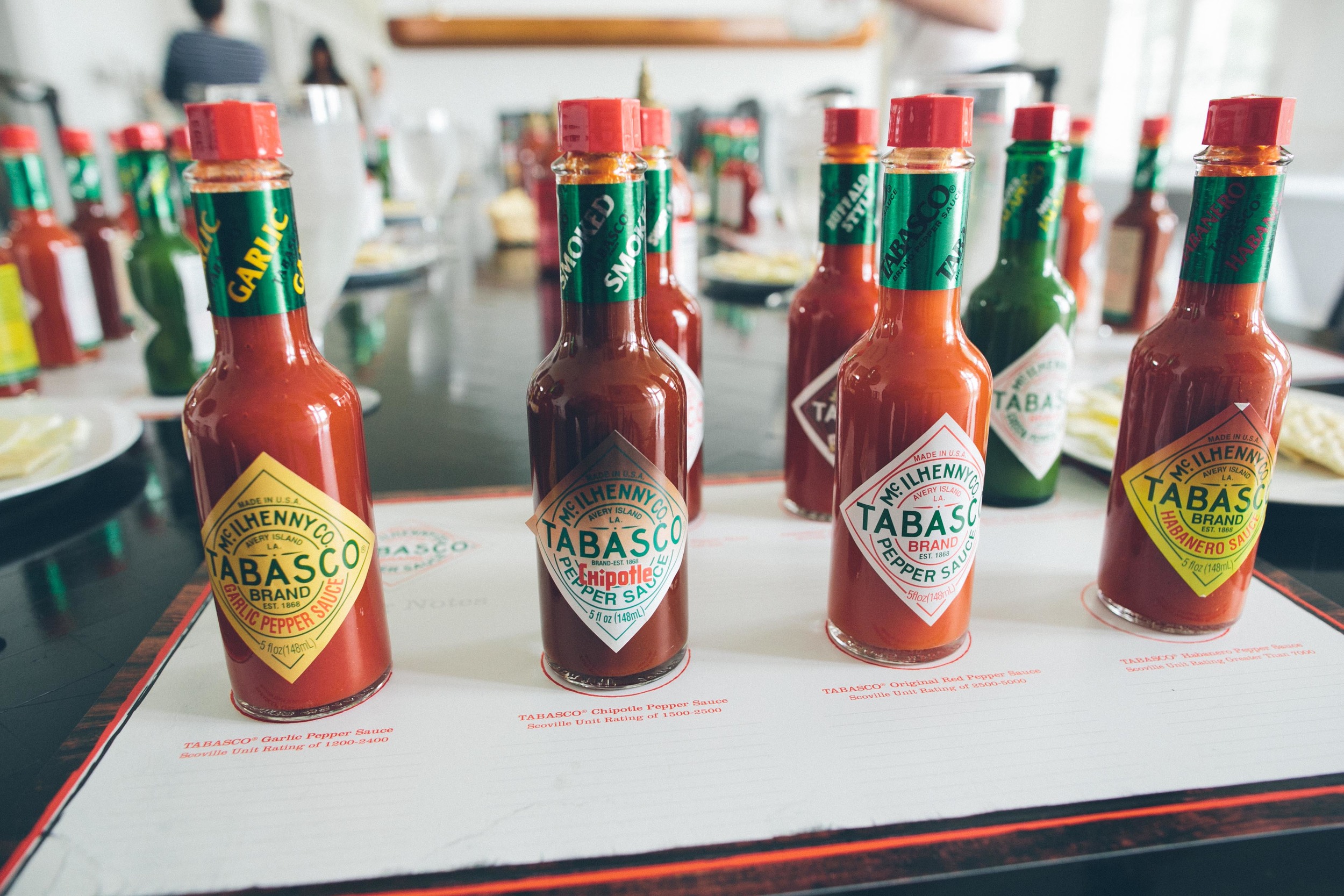
Featured above are pictures from the factory tour, as well as some photographs of a cocktail demonstration by Nick Detrich (Cane and Table; New Orleans) and Chef Aarón Sanchez (owner of Johnny Sanchez in New Orleans and Paloma in Stamford, CT).
 

Disclosure: While Tabasco covered travel expenses and is in conjunction with the TABASCO® Tastemakers program, all opinions written in this post are my own. The post is an introduction to a series I will be producing throughout the year featuring Tabasco products.  

Note: The images in this post were photographed with both a Canon 5D Mark iii and my iPhone 6 plus

Ahi Tuna Poke Bowl

Sushi and I have been good friends for quite a long time. My first experience consuming raw fish occurred when I was a sophomore in high school. I was spending the afternoon in New York with some pals and we ended up at a food court with lots of options. I probably got a sandwich or a burger (this was before I became pescatarian), but someone brought a small platter of sushi to the table. We all looked curiously. What's that?  Even as a kid, I was an adventurous eater, so when she asked me if I wanted a piece, I said, "Sure!" Without thinking too much about it, I loaded it with wasabi and soy sauce (too much of both) and stuffed the whole thing in my mouth. After my sinuses stopped burning, I was able to enjoy the subtle flavors and variety of textures in that single bite. From that moment on, I was hooked.

There are other moments in my life where sushi has played an essential role. Like my relationship with Eric. When we had our initial phone conversations about where we should go for our first date, I suggested coffee or cocktails... you know, in case we didn't hit it off.  We agreed on a place and time and that was that. But a few days later, I got a call from him asking if I ate sushi. Yes... yes I do. Good, he said. Let's get sushi. As we sat at the table, a boat of sashimi and nigiri before us, he said, "Just so you know, if you didn't like sushi, I was going to break things off." And while some people might see that as being a bit dismissive, I was right there with him. I find that people who eat sushi tend to be more open-minded, especially when it comes to food. At the time, I knew I wanted a partner who was just as passionate about food as I was. I wanted to be with someone who was willing to take risks in life. When he told me that, I knew it was meant to be. (I should also add that we named our dog, who we got just before we were married, Maki. Yup... obsessed)

Needless to say, when I came across a recipe for Ahi Tuna Poke, in Sara Forte's striking new book, The Sprouted Kitchen: Bowl and Spoon, I was sold on making it. The whole thing came together so easily, I had to wonder why I'd never tried it before. It's basically a giant sushi roll bowl! Say THAT a few times. Sushi roll bowl. Sushi roll bowl. You can top it with all different kinds of veggies and make it as spicy as you'd like. Sara recommends wasabi or chili flakes, but I love the chili paste we keep stocked, so I went with that. Add to that a bit of grated ginger and garlic and a drizzle of soy and sesame oil and you have a kickin' marinade.

If I haven't expressed how much I adore Sara's book (and Hugh's pictures), let me take a moment to just say this. Buy the book. Now. The photos jump off the page, the writing tells a beautiful story, and the recipes... well, I guess that's the most important part. These are recipes that will stand the test of time. They can be made for a big dinner party or a quick weeknight meal (I'd say this poke falls under the latter). It's a book you keep in your kitchen... there's endless amounts of inspiration. Again... go get the book. 

Ahi Tuna Poke Bowl

Source Adapted very slightly from the recipe in Sprouted Kitchen: Bowl + Spoon by Sara Forte

Yield 4 servings

Ingredients

1 1/2 cups short-grain brown rice or white rice
1 1/2 pounds sushi-grade ahi tuna
3 tablespoons low-sodium soy sauce
2 teaspoons toasted sesame oil
1 tablespoon rice wine vinegar
1 teaspoon grated ginger
1 teaspoon minced garlic
Chili paste
2 green onions, white and green parts, thinly sliced
3 carrots, grated
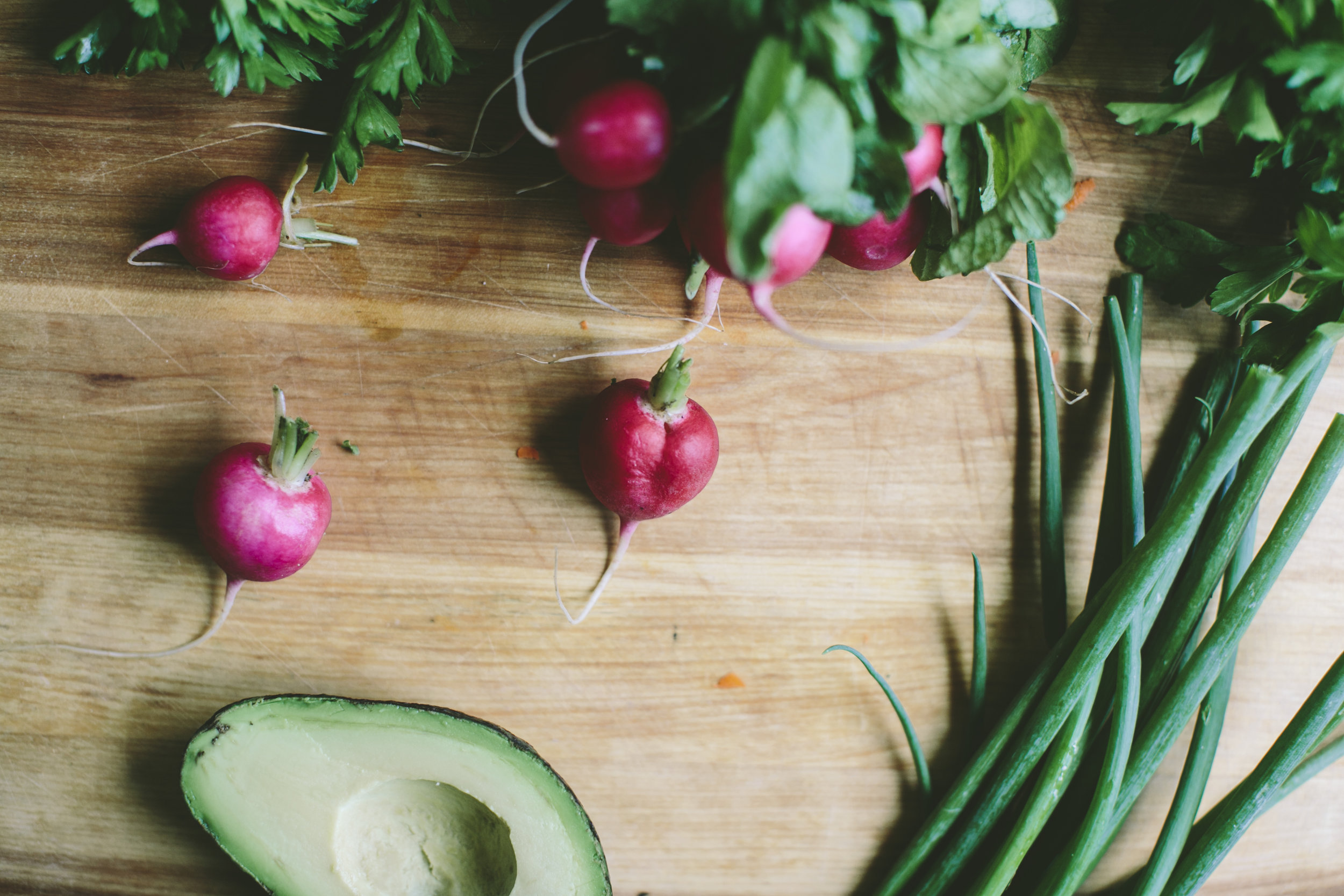
1 bunch (about 8) medium radish, thinly sliced
2 large, ripe avocados
1 bunch cilantro, chopped
Sesame seeds

Directions

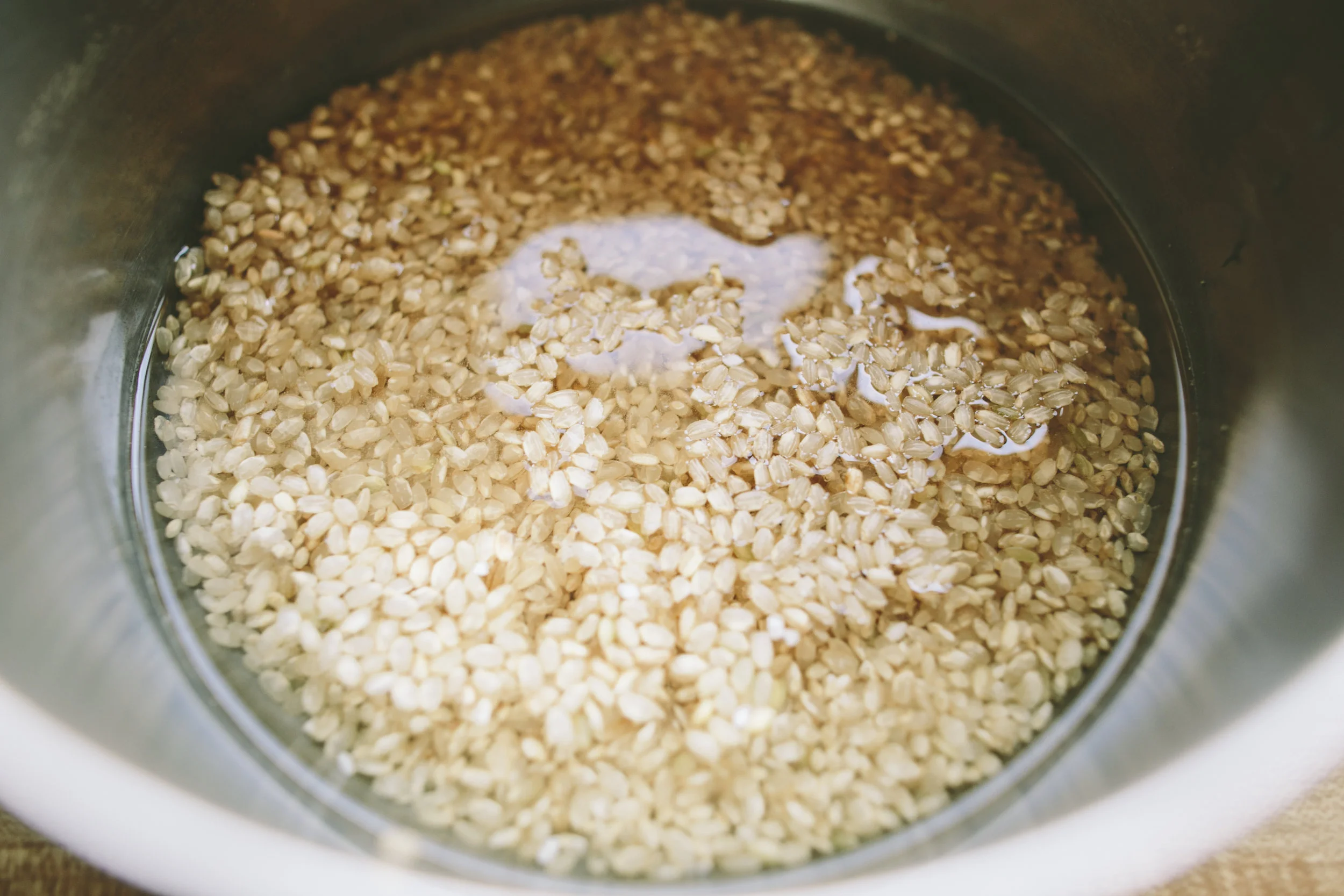
1. Rinse the rice in a fine-mesh strainer. Cook the rice according to instructions or in a rice cooker.

2. With a sharp knife, cut the ahi into 1-inch cubes. In a large bowl, whisk together the soy sauce, sesame oil, minced ginger, grated garlic, vinegar, and chili paste, to taste. Add the ahi and green onions and stir gently to combine. This much can be done up to 1 hour in advance. Keep chilled.

3. Just before serving, pit and dice the avocado into small cubes.

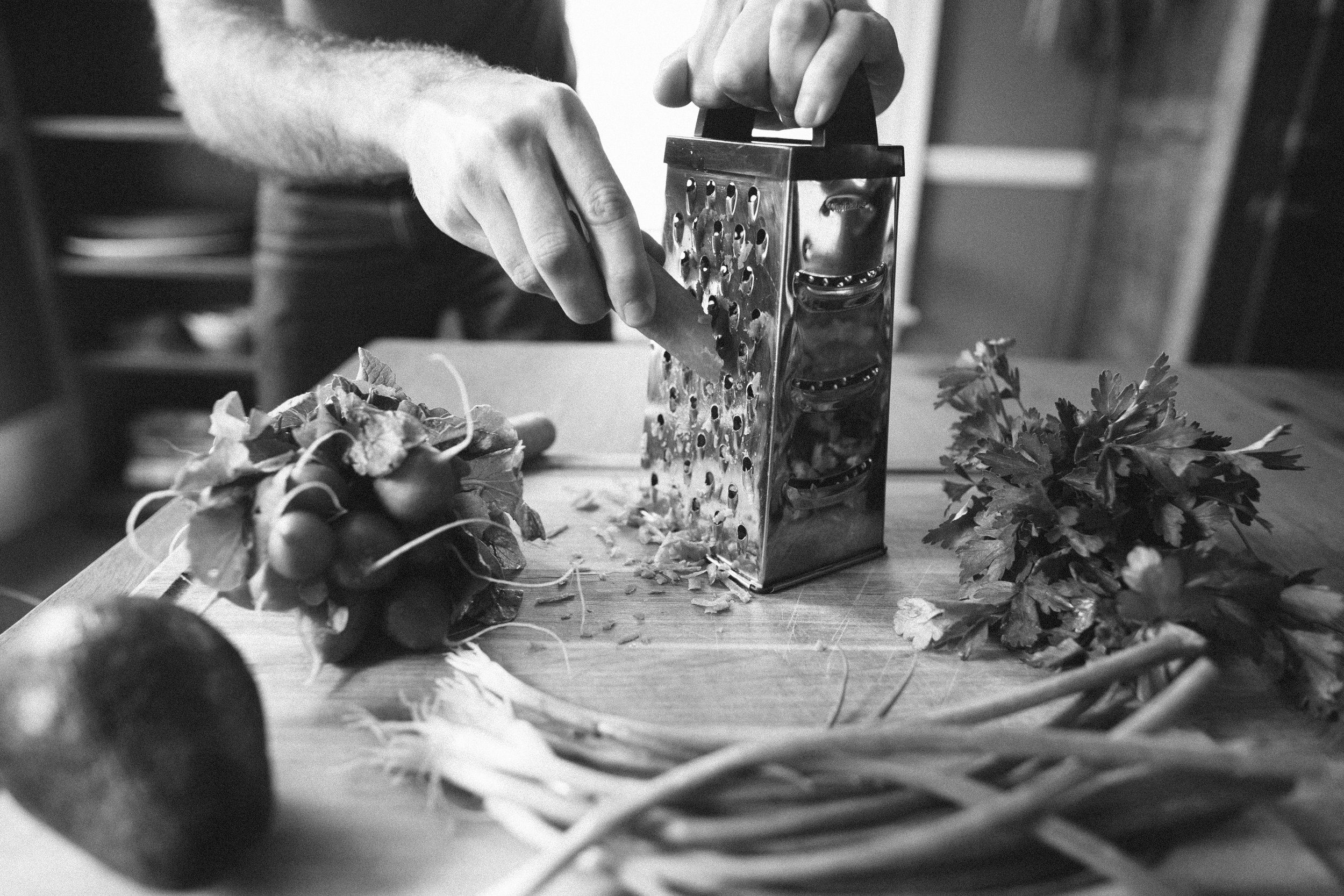
4. Arrange your poke bowl with a generous scoop of rice, ahi tuna, avocado, grated carrot and sliced radish. Sprinkle sesame seeds on top. Serve with cilantro and more soy sauce on the side.


Maple, Fruit and Nut Granola

I cherish my mornings at home. One of the many pleasures of being my own boss is that I can decide how I want to start my day. There are subtle differences to each day, like whether I get myself onto the elliptical for a little workout.  The one thing that remains the same is that I take Maki out to let her do her doos. As soon as I get back, I pour myself a mug of coffee and prepare something to nibble on.  I go through phases with my breakfasts. It can be a taco with a fried egg and sliced avocado, or some scrambled eggs with sauteed kale.  I'm also not opposed to just reaching for a container of leftovers. Cold veggie fried rice? Perfect!  Right now, however, I'm into granola. Yes, I know it'd be so much easier to just grab a box at the grocery store, but I'd be missing something so wonderful if I did that. Like a lot of foods, I feel very strongly about what's in my granola. There should be a variety of textures going on. I don't want it too sweet.

This particular granola recipe was inspired by Aimée Wimbush-Bourque's fabulous book Brown Eggs and Jam Jars. And the timing couldn't have been better. You see, Eric and I recently tapped our maple tree out back. He hooked up a spigot that was fitted with a tube that ran into a five gallon water jug. Within a day and a half, the thing was full. Since I'm the one who works from home (when I'm not out on a shoot), I was in charge of boiling the sap down into syrup. The process was not nearly as complicated as I thought it'd be, though the four hours it took (using three large pots) made me question how often we needed to do this. The result was wonderful, a light amber colored syrup with a natural sweetness that one only really finds in this or honey. I should also note that there's a section in Aimée's book on harvesting maple syrup. Just another reason to order a copy.

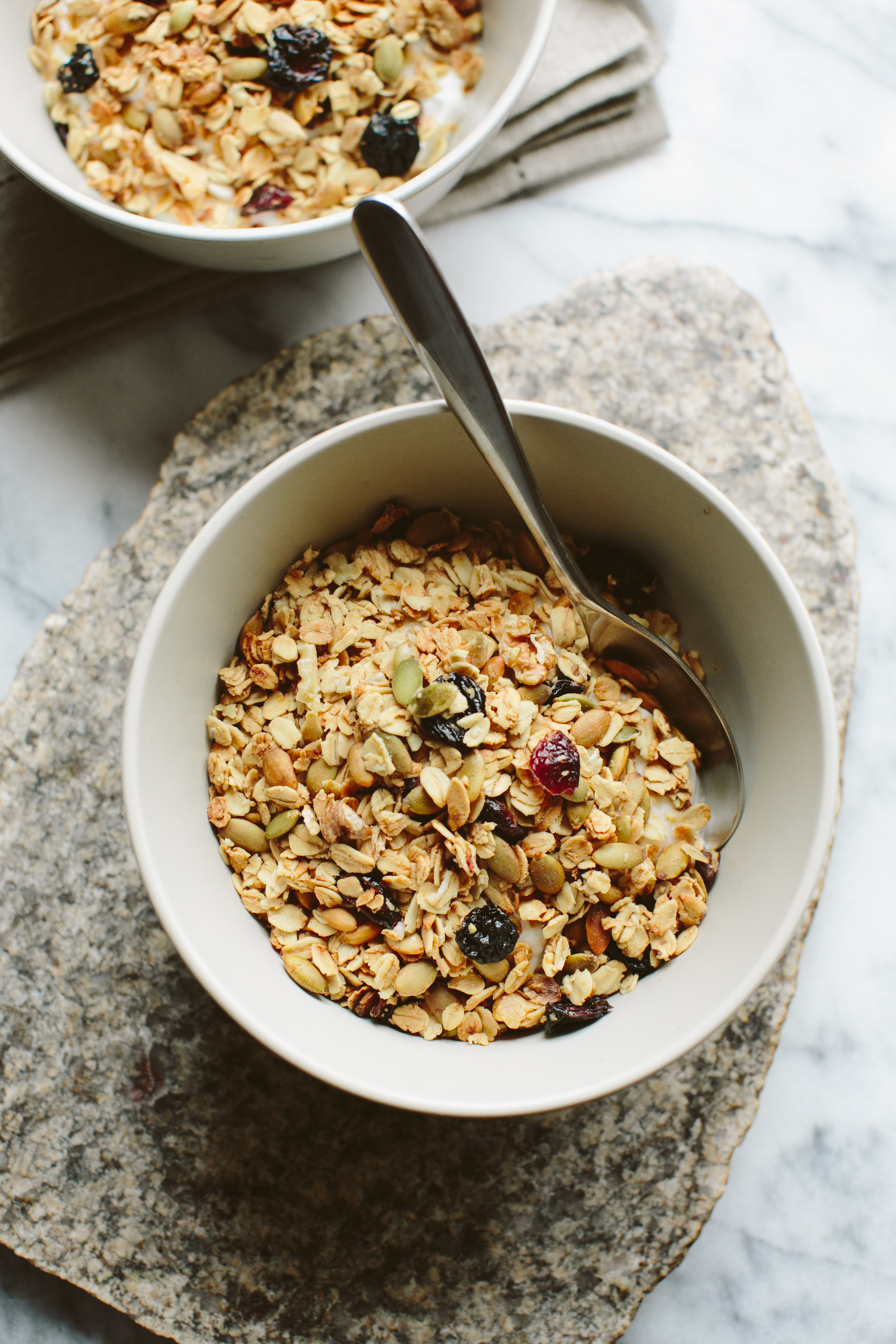
The bottle has been sitting in the fridge for a few weeks. I've struggled to find a use for it. And that's why I was so excited to make this maple granola. I like a lot of things in my granola, so I loaded it with dried fruit (cherries and cranberries), sunflower seeds, pepitas, chopped walnuts, and, of course, oats. After it's tossed together with the maple syrup, a couple tablespoons of butter, and a sprinkle of salt, I baked it in the oven until golden brown.

So, thank you Aimee for your beautiful, inspiring recipe. I hope everyone goes and picks up a copy of your book right now.


Maple, Fruit and Nut Granola

Source Adapted from the granola recipe in Brown Eggs and Jam Jars by Aimée Wimbush-Bourque

Note This is not a clumpy granola. Personal preference, but I like smaller pieces.

Ingredients

3 cups oats
1/4 cup pepita
1/4 cup unsalted sunflower seeds
1/2 cup chopped walnuts
1/2 cup dried cranberries
1/4 cup dried cherries
1/2 cup chopped dates
½ cup maple syrup
4 tablespoons butter, melted
1 teaspoons Kosher salt

Directions

1. Position oven rack to the middle and top third of oven. Preheat oven to 325 degrees. Line a large baking pan with aluminum foil or parchment paper (if you are using smaller pans, use two).

2. In a bowl, mix together the oats, pepita, sunflower seeds, chopped walnuts, dried fruit, dates and salt.

3. Drizzle maple syrup, melted butter and a sprinkle of salt over mixture and toss to coat.

4. Spread mixture evenly in the lined baking pan. Place pan(s) in the oven and bake for 20 minutes or until golden brown, giving the mixture a stir half way through. Be careful not to burn the granola.

5. Remove pan(s) from oven and let the granola cool before transferring to a storage container. The granola can be stored in an airtight container for two weeks.